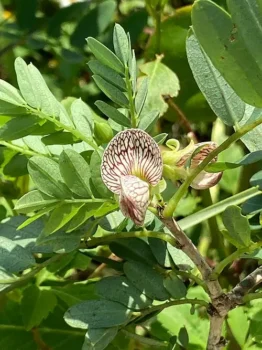
Indochina Ormocarpum: A Lesser-Known Tropical Shrub
Meet the Indochina ormocarpum (Ormocarpum cochinchinense), a perennial shrub that’s quietly made its home in some Pacific islands. While not exactly a household name in gardening circles, this legume family member has an interesting story worth exploring—especially if you’re curious about the more obscure plants that have found their way into tropical landscapes.
What Exactly Is Indochina Ormocarpum?
The Indochina ormocarpum is a woody shrub that typically grows as a multi-stemmed plant, usually staying under 13-16 feet tall. As a member of the legume family (you know, like beans and peas), it’s got that classic leguminous heritage, though it’s definitely taken the shrub route rather than the climbing vine path some of its cousins prefer.
You might occasionally see this plant listed under its synonym Ormocarpum orientale, which can be helpful to know if you’re doing some botanical detective work.
Where Does It Call Home?
Here’s where things get interesting—the Indochina ormocarpum isn’t actually native to the areas where it’s currently established. This non-native species has made itself at home in Guam and Palau, where it now reproduces on its own without any help from humans. It’s one of those plants that has successfully adapted to life in the Pacific Basin, though notably not in Hawaii.
- Species observed
- No observations
Should You Consider Growing It?
Now here’s the thing about Indochina ormocarpum—while it’s not listed as invasive or noxious, there’s surprisingly little information available about growing it in home gardens. This makes it something of a horticultural mystery plant. Without clear data on its invasive potential, growing requirements, or garden performance, it’s tough to give it a wholehearted recommendation.
If you’re gardening in Guam or Palau and come across this shrub, you might find it interesting as a curiosity. However, since detailed cultivation information is scarce, you’d essentially be experimenting.
Better Alternatives to Consider
Given the limited information about Indochina ormocarpum and its non-native status, you might want to consider native alternatives that offer similar characteristics:
- Look for native shrubs in the legume family that are well-documented for your region
- Consider established native plants that provide known benefits to local wildlife
- Choose plants with proven track records in local gardens and landscapes
The Bottom Line
While the Indochina ormocarpum is certainly an interesting botanical specimen, it falls into that category of plants that are more noteworthy for their presence than their garden potential. With so many unknowns about its cultivation needs, wildlife benefits, and long-term garden performance, it’s probably best appreciated as a curiosity rather than actively sought out for planting.
If you’re passionate about supporting local ecosystems through your garden choices, focusing on well-documented native plants will give you much better results—and a lot more growing information to work with!