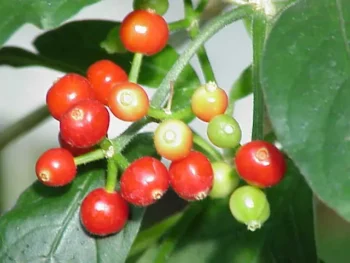
Ipecac: A Tropical Shrub with a Complex History
Meet ipecac (Cephaelis ipecacuanha), a small tropical shrub that carries quite a bit of botanical baggage. This unassuming plant has traveled far from its South American roots and now calls some Pacific islands home. But before you consider adding it to your garden, there are some important things you should know about this interesting yet complicated species.
What Exactly Is Ipecac?
Ipecac is a small evergreen shrub that you might also see listed under its synonym, Psychotria ipecacuanha. Don’t let the fancy names fool you – this is essentially a compact tropical plant that produces glossy green leaves and delicate white flowers. It’s the kind of plant that blends quietly into a tropical landscape without making a big fuss about itself.
Where Does Ipecac Come From?
Here’s where things get interesting from a native gardening perspective. While ipecac originally hails from the Atlantic forests of Brazil, it’s now established itself as a non-native species in parts of the Pacific Basin, specifically in Guam and Palau. The plant has managed to reproduce and persist in these areas without human intervention, which shows just how adaptable it can be in the right conditions.
- Species observed
- No observations
Should You Plant Ipecac in Your Garden?
This is where we need to have an honest conversation. As someone who champions native gardening, I always encourage gardeners to consider native alternatives first. While ipecac isn’t classified as invasive or noxious, it is a non-native species that has already shown its ability to establish itself in new territories.
If you’re gardening in tropical zones and are set on growing ipecac, it won’t necessarily harm your local ecosystem – but it also won’t provide the same benefits that native plants offer to local wildlife and pollinators. Think of it as the botanical equivalent of neutral: not harmful, but not particularly helpful either.
Growing Ipecac Successfully
If you decide to grow ipecac, you’ll need to recreate its preferred tropical conditions. This plant is only suitable for USDA hardiness zones 10-11, so unless you live in a consistently warm, humid climate, you’ll be looking at container growing and bringing it indoors during cooler months.
Ideal Growing Conditions:
- Partial to full shade (this plant actually prefers to avoid direct sunlight)
- Consistently moist, well-draining soil
- High humidity levels
- Warm temperatures year-round
- Protection from strong winds
Care Tips:
- Water regularly to maintain consistent soil moisture, but don’t let it become waterlogged
- Provide humidity through misting or using a humidity tray if growing indoors
- Feed with a balanced, diluted fertilizer during the growing season
- Prune lightly to maintain shape, though it naturally stays compact
Native Alternatives to Consider
Before you commit to ipecac, why not explore native alternatives that could provide similar aesthetic appeal while supporting your local ecosystem? Depending on your location, consider researching native shrubs that offer glossy foliage and small flowers. Your local native plant society or extension office can point you toward species that will thrive in your specific conditions while benefiting local wildlife.
The Bottom Line
Ipecac is neither a garden villain nor a native hero – it’s simply a tropical plant that exists in that middle ground of horticultural neutrality. If you’re drawn to its quiet charm and can provide the specific conditions it needs, it can be a pleasant addition to a tropical garden. However, as a native gardening advocate, I’d encourage you to first explore what amazing native options might be available in your area. You might be surprised by the incredible alternatives that are perfectly adapted to your local conditions and ready to support the wildlife that calls your region home.