Irish Potato: The Beloved Spud That’s Not Actually Irish (Or Native)
Let’s get one thing straight right off the bat – the Irish potato isn’t Irish at all! This beloved tuber, scientifically known as Solanum tuberosum, has quite the identity crisis. Despite its common name suggesting European origins, this perennial herb actually hails from the mountainous regions of South America, specifically the Andes of Peru, Bolivia, and northern Chile.
What Exactly Is an Irish Potato?
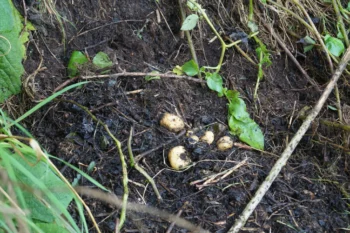
The Irish potato is a forb herb – essentially a vascular plant without significant woody tissue above ground. Think of it as nature’s underground treasure chest, storing energy in those familiar tubers we all know and love. While it’s technically a perennial plant, most gardeners treat it as an annual since those precious tubers are typically harvested each season.
Where You’ll Find It Growing
Today, this non-native species has made itself quite comfortable across North America. You’ll find Irish potatoes growing (both cultivated and sometimes wild) in a impressive list of locations including Alabama, Arkansas, California, Connecticut, Florida, Hawaii, Illinois, Louisiana, Maine, Maryland, Massachusetts, Michigan, Minnesota, Mississippi, Missouri, New Hampshire, New York, North Carolina, Ohio, Pennsylvania, Rhode Island, South Carolina, Utah, Vermont, Virginia, Washington, and Puerto Rico. It’s also established itself in several Canadian provinces including Manitoba, New Brunswick, Nova Scotia, Ontario, Prince Edward Island, and Newfoundland.
- Species observed
- No observations
Should You Grow Irish Potatoes?
Here’s where things get interesting for the native plant enthusiast. While Irish potatoes aren’t native to North America, they’re not considered invasive either. They’ve become such an integral part of our food systems and gardens that many gardeners find them indispensable. However, if you’re committed to native-only gardening, you might want to explore indigenous alternatives like groundnut (Apios americana) or wild potato vine, though these won’t quite replace your mashed potato dreams!
The Beauty Beyond the Spud
Don’t overlook the aesthetic appeal of potato plants! These beauties produce lovely clusters of star-shaped flowers in shades of purple, white, or pink. The blooms not only add charm to your vegetable garden but also attract bees and other beneficial pollinators. It’s like getting a two-for-one deal – food for your table and nectar for the bees!
Perfect Growing Conditions
Irish potatoes are surprisingly easy-going when it comes to growing conditions:
- Sunlight: Full sun is ideal (6-8 hours daily)
- Soil: Well-drained, loose soil with good organic matter
- Water: Consistent moisture but not waterlogged
- Temperature: Cool growing conditions work best
- USDA Zones: Can be grown as annuals in zones 3-10, perennial in warmer zones 9-11
Planting and Care Tips for Success
Ready to try your hand at growing these versatile tubers? Here’s how to set yourself up for potato success:
- Timing: Plant seed potatoes in early spring, 2-4 weeks before your last frost date
- Planting: Cut seed potatoes into pieces with at least one eye each, let them cure for a day or two
- Spacing: Plant pieces 4 inches deep and 12-15 inches apart
- Hilling: As plants grow, gradually hill soil around the stems to encourage more tuber production
- Harvesting: Dig up your treasure after the plant dies back or before the first hard frost
A Garden Role with Multiple Benefits
Irish potatoes can play several roles in your landscape design. They’re naturals for vegetable gardens, raised beds, and even large containers. Some adventurous gardeners incorporate them into food forests or permaculture designs. Plus, those pollinator-friendly flowers make them surprisingly good companions for other flowering plants.
The Bottom Line
While Irish potatoes may not be native to North America, they’ve earned their place in many gardens through decades of reliable food production and surprising ornamental value. If you’re focused exclusively on native plants, there are indigenous alternatives to explore. But for most gardeners, the Irish potato offers a perfect blend of practicality, beauty, and that satisfying feeling of growing your own food – even if it did take a very long journey to get to your backyard!