Ironweed: Should You Add This African Native to Your Garden?
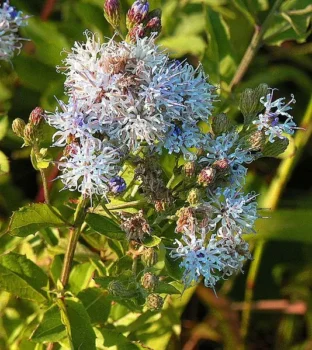
If you’re looking to add some late-season color to your garden while supporting pollinators, you might have stumbled across Vernonia galamensis, commonly known as ironweed. This African native brings a unique charm to gardens with its clusters of purple blooms, but is it the right choice for your landscape? Let’s dig into what makes this plant tick and whether it deserves a spot in your garden beds.
What is Vernonia galamensis?
Vernonia galamensis, or ironweed, is a flowering plant native to eastern and northeastern Africa, particularly found in Ethiopia and surrounding regions. You might also see it listed under its synonym, Vernonia pauciflora. This member of the aster family produces clusters of vibrant purple to violet flowers that create quite a show when they bloom.
The Good: Why Gardeners Love Ironweed
There are several compelling reasons why this African ironweed might catch your gardening eye:
- Pollinator magnet: The purple flower clusters are absolute bee and butterfly favorites, especially valuable for late-season nectar when other blooms are fading
- Low maintenance: Once established, this plant is quite drought tolerant and doesn’t demand much fussing
- Vertical interest: With its upright growth habit, it adds height and structure to garden beds
- Extended bloom time: The flowering period extends well into fall, providing color when many other plants are winding down
Growing Conditions and Care
If you decide to give Vernonia galamensis a try, here’s what it needs to thrive:
Sunlight: This plant loves full sun and will perform best with at least 6-8 hours of direct sunlight daily.
Soil: Well-draining soil is key. While it’s not overly picky about soil type, it won’t tolerate soggy conditions.
Watering: Water regularly during the establishment period, but once settled in, it’s quite drought tolerant.
Climate: Based on its African origins, this ironweed likely thrives in warmer climates, probably suited for USDA zones 9-11, though specific hardiness information is limited.
The Reality Check: Consider Native Alternatives
While Vernonia galamensis isn’t known to be invasive, it’s worth remembering that this plant isn’t native to North America. For the most ecological benefit and easier growing success, you might want to consider native ironweed species instead:
- New York Ironweed (Vernonia noveboracensis): Perfect for eastern gardens
- Western Ironweed (Vernonia baldwinii): Great for prairie and western landscapes
- Tall Ironweed (Vernonia altissima): Excellent for naturalized areas
These native alternatives offer similar purple blooms and pollinator benefits while supporting local ecosystems and typically requiring less maintenance in their native ranges.
The Bottom Line
Vernonia galamensis can be an attractive addition to warm-climate gardens, especially if you’re looking for late-season color and pollinator support. However, unless you have a specific reason for choosing this African species, you’ll likely find greater success and ecological benefit with native ironweed varieties suited to your region.
If you do choose to grow V. galamensis, provide it with full sun, well-draining soil, and be patient during establishment. Once settled, it should reward you with those distinctive purple blooms that both you and the local pollinators will appreciate.