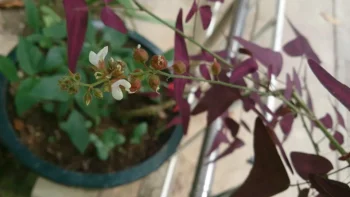
Island Pea (Christia): A Lesser-Known Perennial for Tropical Gardens
Meet the island pea, a somewhat mysterious member of the plant world that goes by the botanical name Christia. If you’re scratching your head wondering what exactly this plant is, you’re not alone – it’s not exactly a household name in gardening circles, even among dedicated plant enthusiasts.
What Exactly is Island Pea?
Island pea is a perennial forb, which is just a fancy way of saying it’s a non-woody herbaceous plant that comes back year after year. Think of it as the plant equivalent of that reliable friend who shows up every spring without fail. As a forb, it lacks the woody stems of shrubs and trees, instead sporting softer, more flexible growth that dies back seasonally but regenerates from its root system.
Where You’ll Find Island Pea
This plant has made its home in the U.S. Virgin Islands, where it has naturalized and now reproduces on its own in the wild. Originally non-native to the region, island pea has adapted well to its tropical surroundings and established itself as part of the local flora.
- Species observed
- No observations
Should You Plant Island Pea in Your Garden?
Here’s where things get a bit tricky. While island pea isn’t flagged as an invasive species, detailed information about its garden performance, aesthetic qualities, and growing requirements is surprisingly scarce. This makes it something of a wild card for gardeners.
If you’re considering adding island pea to your landscape, you might want to think about these factors:
- Limited availability of growing information and care guidelines
- Uncertain performance in different garden conditions
- Non-native status means it may not provide the same ecological benefits as native plants
Consider Native Alternatives
Since island pea is non-native to the Virgin Islands, you might want to explore native legumes and forbs that could provide similar garden interest while supporting local ecosystems. Native plants typically offer better wildlife habitat, require less maintenance once established, and are adapted to local growing conditions.
Some benefits of choosing native alternatives include:
- Support for local pollinators and wildlife
- Better adaptation to regional climate and soil conditions
- Reduced need for supplemental watering and fertilizing
- Contribution to preserving local plant heritage
The Bottom Line
Island pea remains something of an enigma in the gardening world. While it’s established itself in the Virgin Islands and appears to be a well-behaved perennial forb, the lack of detailed cultivation information makes it a challenging choice for most gardeners. Unless you’re specifically interested in experimenting with lesser-known plants or have particular expertise with tropical forbs, you’ll likely find more success and satisfaction with better-documented native species.
If you do decide to try growing island pea, approach it as an adventure rather than a sure thing, and be prepared to learn through trial and observation rather than relying on established growing guides.