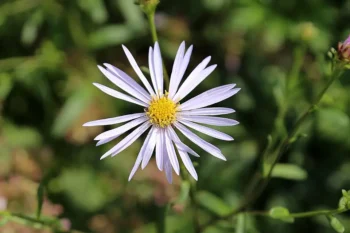
Italian Aster: A Late-Season Bloomer for Your Garden
Looking for a perennial that saves its best show for late in the season? Meet the Italian aster (Aster amellus), also known as Italian starwort. This charming European native might just be the answer to your late-summer garden blues, bringing a splash of purple-blue color when many other flowers are calling it quits.
What is Italian Aster?
Italian aster is a hardy perennial that belongs to the sunflower family. Don’t let the aster name confuse you – this beauty has managed to keep its traditional name even as botanical classifications have shifted over the years. You might also see it listed under the synonym Aster amelloides Besser in some older garden references.
Where Does Italian Aster Come From?
This lovely perennial hails from Europe, particularly the Mediterranean regions and parts of Central and Southern Europe. It’s perfectly at home in the rocky, well-drained soils of its native habitat, which gives us some great clues about how to grow it successfully in our own gardens.
Why Gardeners Love (and Sometimes Hesitate About) Italian Aster
Italian aster has some genuinely appealing qualities that make it a garden favorite:
- Late-season blooms when your garden needs them most
- Drought-tolerant once established
- Excellent pollinator magnet for butterflies and bees
- Low maintenance requirements
- Attractive silvery-green foliage
However, since Italian aster isn’t native to North America, you might want to consider native alternatives like New England aster or aromatic aster, which provide similar late-season color while supporting local ecosystems.
Garden Design and Landscape Role
Italian aster is a natural fit for cottage gardens, perennial borders, and rock gardens. Its compact size and mounding habit make it perfect for front-to-middle border placement. The plant works beautifully in Mediterranean-style gardens where its drought tolerance and preference for well-drained soil shine.
The purple-blue daisy-like flowers with bright yellow centers create lovely combinations with ornamental grasses, sedums, and other fall-blooming perennials.
Growing Conditions and Care
Italian aster is refreshingly easy to please:
- Sunlight: Full sun is best for maximum flowering
- Soil: Well-drained soil is essential; slightly alkaline conditions are preferred
- Water: Drought tolerant once established, but appreciates occasional watering during dry spells
- USDA Zones: Hardy in zones 4-8
Planting and Care Tips
Getting started with Italian aster is straightforward:
- Plant in spring after the last frost date
- Space plants about 12-18 inches apart
- Deadhead spent flowers to encourage continued blooming
- Divide clumps every 3-4 years to maintain vigor
- No need for heavy fertilization – this plant prefers lean conditions
Pollinator and Wildlife Benefits
One of Italian aster’s greatest contributions to your garden ecosystem is its late-season nectar production. When many other flowers have finished blooming, Italian aster provides crucial food for butterflies, bees, and other pollinators preparing for winter. This makes it a valuable addition to any pollinator garden, even if it’s not native to your area.
Consider Native Alternatives
While Italian aster is a lovely garden plant, consider these native North American alternatives that provide similar benefits while supporting local wildlife:
- New England aster (Symphyotrichum novae-angliae)
- Aromatic aster (Symphyotrichum oblongifolium)
- Smooth blue aster (Symphyotrichum laeve)
The Bottom Line
Italian aster is a reliable, low-maintenance perennial that brings beautiful late-season color and valuable pollinator resources to your garden. While it’s not native to North America, it’s not invasive either, making it a reasonable choice for gardeners who appreciate its unique qualities. Just remember to consider native alternatives that might provide even greater ecological benefits while delivering similar garden appeal.