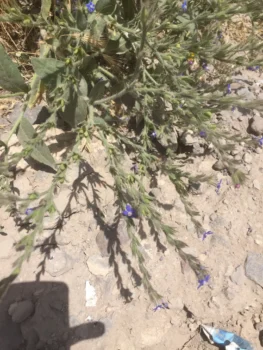
Italian Bugloss: A Bold Blue Beauty for Your Garden
If you’re looking for a plant that delivers serious flower power, Italian bugloss (Anchusa azurea) might just catch your eye. This Mediterranean native brings intense blue blooms and cottage garden charm wherever it grows, though it comes with both benefits and considerations worth knowing about.
What is Italian Bugloss?
Italian bugloss is a perennial forb that’s made quite a journey from its native Mediterranean homeland. Also known by its synonym Anchusa italica, this non-native plant has established itself across much of North America, from British Columbia down through 18 U.S. states including California, Colorado, Massachusetts, Montana, Oregon, Texas, and Washington.
As a non-native species, Italian bugloss reproduces spontaneously in the wild and tends to persist without human intervention. While it’s naturalized across diverse regions, it’s worth noting that this adaptability means it can sometimes spread beyond where you initially plant it.
- Species observed
- No observations
The Visual Appeal
Let’s talk about what makes Italian bugloss a head-turner. This plant produces clusters of brilliant blue flowers that seem to glow against its rough, somewhat coarse foliage. Growing 3-5 feet tall, it creates impressive vertical displays that add drama to any planting scheme. The flowers bloom in dense, curved clusters that butterflies and bees absolutely adore.
Where Italian Bugloss Thrives
Italian bugloss is surprisingly adaptable and thrives in USDA hardiness zones 3-8. It’s particularly well-suited for:
- Cottage gardens where its informal, somewhat wild appearance fits right in
- Drought-tolerant landscapes once established
- Wildflower meadows and naturalized areas
- Mixed borders where it provides striking blue color
Growing Conditions and Care
One of Italian bugloss’s strongest selling points is its low-maintenance nature. Here’s what it needs to thrive:
Sun and Soil: Full sun is ideal, though it tolerates partial shade. Well-drained soil is essential, but it’s not picky about soil quality and actually performs well in poor soils.
Water Needs: Once established, Italian bugloss is quite drought tolerant. Regular watering during its first season helps it get established, but after that, it’s pretty self-sufficient.
Maintenance: This plant is refreshingly low-maintenance. It self-seeds readily (sometimes too readily), so deadheading spent flowers can help control spread while extending the blooming period. In windy areas, the tall stems might benefit from staking.
Pollinator and Wildlife Benefits
Italian bugloss is a pollinator magnet, attracting bees, butterflies, and other beneficial insects with its nectar-rich blue flowers. The extended blooming period provides consistent resources for pollinators throughout much of the growing season.
Things to Consider
While Italian bugloss has its charms, there are a few things to keep in mind. As a non-native species that self-seeds readily, it can sometimes spread more than intended. If you’re focused on supporting native ecosystems, you might want to consider native alternatives that provide similar benefits.
Some excellent native alternatives that offer blue flowers and pollinator benefits include wild lupine, wild bergamot, and native asters, depending on your region. These natives provide the same visual impact while supporting local wildlife in ways that non-native plants simply can’t match.
The Bottom Line
Italian bugloss offers undeniable beauty and ease of care, making it understandable why gardeners are drawn to its brilliant blue blooms. If you choose to grow it, enjoy its cottage garden charm while keeping an eye on its spreading tendencies. And consider pairing it with native plants that can provide similar benefits while supporting your local ecosystem.
Whether you’re drawn to its Mediterranean heritage, its pollinator appeal, or simply those stunning blue flowers, Italian bugloss certainly knows how to make a statement in the garden landscape.