Italian Catchfly: A Delicate Biennial for Naturalized Gardens
If you’re looking for a delicate, cottage garden-style flower that practically takes care of itself, Italian catchfly (Silene italica) might catch your eye. This charming biennial brings a touch of Mediterranean flair to American gardens, though it’s worth knowing its story before you plant.
What Is Italian Catchfly?
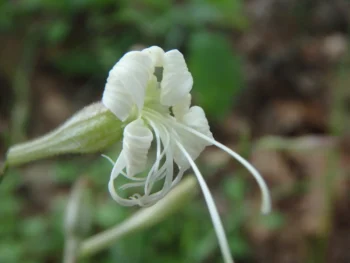
Italian catchfly is a biennial forb – basically a non-woody herbaceous plant that completes its life cycle over two years. In its first year, it forms a low rosette of leaves, then sends up flowering stems in its second year before setting seed and completing its cycle. The plant typically reaches 1-3 feet tall with delicate white flowers arranged in loose, airy clusters that seem to dance in the breeze.
Native Status and Where It Grows
Here’s where things get interesting: despite its common name, Italian catchfly isn’t native to North America. This Mediterranean native has made itself at home in parts of the northeastern United States, specifically establishing populations in New Jersey and New York. It’s what botanists call an introduced species – one that arrived from elsewhere but now reproduces on its own in the wild.
- Species observed
- No observations
Why Gardeners Might Choose Italian Catchfly
Italian catchfly has several appealing qualities that draw gardeners:
- Delicate, cottage garden aesthetic with small white blooms
- Self-seeding habit means it can naturalize in suitable spots
- Drought tolerant once established
- Attracts small pollinators and night-flying moths
- Low maintenance requirements
- Suitable for wildflower meadows and naturalized areas
Growing Italian Catchfly Successfully
If you decide to grow Italian catchfly, it’s refreshingly undemanding. This hardy biennial thrives in USDA zones 5-9 and adapts to various garden styles, from cottage gardens to Mediterranean-inspired landscapes.
Preferred Growing Conditions
- Sunlight: Full sun to partial shade
- Soil: Well-draining soil (tolerates poor soils)
- Water: Drought tolerant once established; avoid overwatering
- Spacing: Allow 12-18 inches between plants
Planting and Care Tips
Italian catchfly is remarkably easy to grow. Sow seeds directly in fall or early spring, barely covering them with soil as they need light to germinate. The plants will self-seed readily, so you may find new volunteers appearing in subsequent years. Deadhead spent flowers if you want to prevent self-seeding, or let them go to seed if you enjoy the naturalized look.
Water young plants until established, then step back and let nature take its course. These plants actually prefer lean conditions and can become leggy in overly rich soil.
Pollinator and Wildlife Benefits
While not as beneficial as native plants, Italian catchfly does offer some value to local ecosystems. Its small white flowers attract various small pollinators during the day, and the blooms are particularly appealing to night-flying moths, adding a touch of evening garden magic.
Consider Native Alternatives
Since Italian catchfly is non-native, you might consider these native alternatives that offer similar garden appeal:
- Wild bergamot (Monarda fistulosa) – native wildflower with excellent pollinator value
- White wild indigo (Amorpha alba) – native with white flower spikes
- Culver’s root (Veronicastrum virginicum) – tall native with white flower spires
- Wild columbine (Aquilegia canadensis) – delicate native perfect for cottage gardens
The Bottom Line
Italian catchfly offers an easy-care option for gardeners who appreciate delicate, cottage garden-style blooms. While it’s not native to North America, it’s not currently considered invasive either. If you choose to grow it, you’ll enjoy its self-reliant nature and charming flowers. Just remember that choosing native plants when possible provides greater benefits to local wildlife and ecosystems – but sometimes a little international garden diversity can add its own special charm to your landscape.