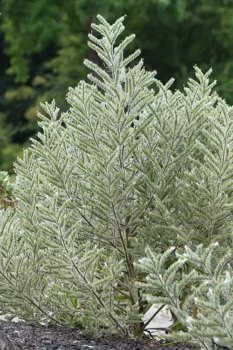
Italian Viper’s Bugloss: A Mediterranean Beauty for Your Garden
If you’re looking to add some Mediterranean flair to your landscape, Italian viper’s bugloss (Echium italicum) might catch your eye with its striking tower-like flower spikes. Also known simply as Italian bugloss, this biennial plant brings a touch of old-world charm to gardens across temperate regions.
What Is Italian Viper’s Bugloss?
Italian viper’s bugloss is a non-native forb that originally hails from the Mediterranean region, including Italy and other parts of southern Europe. As a biennial, it follows a two-year life cycle: spending its first year developing a rosette of leaves and its second year shooting up dramatic flower spikes before setting seed and completing its life cycle.
This hardy plant has made itself at home in parts of the United States, particularly in Maryland, where it reproduces on its own without human assistance. The plant’s rough, hairy texture and sturdy growth habit make it quite distinctive in the garden.
- Species observed
- No observations
Garden Appeal and Design Role
The real showstopper feature of Italian viper’s bugloss is its impressive flower display. Tall spikes reaching 3-6 feet high burst with clusters of funnel-shaped flowers in shades of blue, purple, and occasionally pink. These architectural blooms create excellent vertical interest and can serve as striking focal points in garden beds.
This plant works beautifully in:
- Mediterranean-style gardens
- Xerophytic (drought-tolerant) landscapes
- Wildflower meadows
- Cottage garden settings
- Naturalized areas where a more relaxed look is desired
Pollinator Powerhouse
One of the biggest selling points of Italian viper’s bugloss is its value to pollinators. The nectar-rich flowers are magnets for bees, butterflies, and other beneficial insects. If you’re trying to create a pollinator-friendly garden, this plant definitely delivers on that front.
Growing Conditions and Care
Italian viper’s bugloss is refreshingly low-maintenance once you understand its preferences:
Sunlight: Thrives in full sun locations
Soil: Prefers well-drained soils and actually performs better in poor to average fertility rather than rich, amended ground
Water: Drought tolerant once established, requiring minimal supplemental watering
Hardiness: Suitable for USDA zones 6-9
Planting and Propagation Tips
The easiest way to establish Italian viper’s bugloss is through direct seeding. Sow seeds in fall or early spring, allowing them to experience natural temperature fluctuations. The plant readily self-seeds, so you may find volunteer seedlings appearing in subsequent years.
During its first year, you’ll see a low rosette of rough, lance-shaped leaves. Don’t worry if it seems unimpressive – the magic happens in year two when those dramatic flower spikes emerge.
Things to Consider
While Italian viper’s bugloss can be an attractive garden addition, it’s worth noting that it’s not native to North American ecosystems. If you’re passionate about supporting local wildlife and plant communities, you might want to consider native alternatives that provide similar benefits.
Some excellent native options that offer comparable vertical interest and pollinator value include:
- Wild bergamot (Monarda fistulosa)
- Purple prairie clover (Dalea purpurea)
- Wild lupine (Lupinus perennis)
- Great blue lobelia (Lobelia siphilitica)
The Bottom Line
Italian viper’s bugloss offers gardeners an easy-care option for adding height, color, and pollinator appeal to their landscapes. Its Mediterranean origins make it particularly well-suited to dry, sunny locations where many other flowering plants might struggle. While it’s not a native species, it can still play a valuable role in gardens focused on water-wise landscaping and pollinator support.
Whether you choose to grow Italian viper’s bugloss or opt for native alternatives, the key is creating spaces that both you and local wildlife can enjoy. Happy gardening!