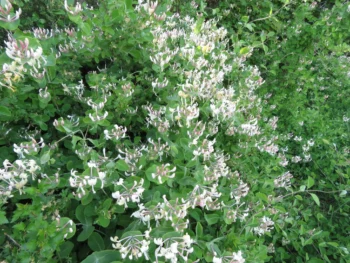
Italian Woodbine: A Fragrant Climbing Vine for Your Garden
If you’re looking for a climbing vine that brings both beauty and heavenly fragrance to your garden, Italian woodbine (Lonicera caprifolium) might just be the plant you’ve been searching for. This perennial climber has been winning over gardeners for generations with its sweetly scented blooms and vigorous growth habit.
What is Italian Woodbine?
Italian woodbine is a twining, climbing plant that can develop woody stems over time. As a non-native species originally from the Mediterranean region, it has established itself in parts of North America, where it reproduces naturally and persists without human intervention. You’ll find this adaptable vine growing in Nova Scotia, Ontario, Michigan, New Jersey, and New York.
- Species observed
- No observations
Why Gardeners Love (and Sometimes Question) This Vine
There’s a lot to appreciate about Italian woodbine, but like many non-native plants, it comes with both benefits and considerations:
The appealing qualities:
- Intensely fragrant flowers that bloom in late spring to early summer
- Attractive tubular blooms in cream-white to soft yellow tones
- Bright red berries that follow the flowers
- Fast-growing nature that quickly covers structures
- Relatively low maintenance once established
Things to consider:
- As a non-native species, it doesn’t provide the same ecological benefits as native alternatives
- Can be vigorous and may require regular pruning to keep in bounds
- May self-seed in favorable conditions
Growing Italian Woodbine Successfully
If you decide to grow Italian woodbine, here’s what you need to know to help it thrive:
Ideal Growing Conditions:
- USDA Hardiness Zones 5-9
- Full sun to partial shade (morning sun with afternoon shade is ideal)
- Well-draining soil that doesn’t stay waterlogged
- Moderate moisture levels – drought tolerant once established
Planting and Care Tips:
- Provide a sturdy support structure like a trellis, arbor, or fence
- Plant in spring after the last frost date
- Water regularly during the first growing season to help establish roots
- Prune after flowering to control size and shape
- Remove any unwanted seedlings to prevent spread
Garden Design Ideas
Italian woodbine works beautifully in cottage gardens, Mediterranean-style landscapes, and dedicated fragrance gardens. Its climbing nature makes it perfect for covering unsightly walls, creating privacy screens, or adding vertical interest to your landscape. The evening fragrance makes it particularly wonderful near patios, windows, or garden seating areas.
Wildlife and Pollinator Benefits
The tubular flowers of Italian woodbine are particularly attractive to night-flying moths and some butterfly species. The timing and structure of the blooms make them accessible to long-tongued pollinators, though the benefits may not be as significant as those provided by native honeysuckle species.
Consider Native Alternatives
While Italian woodbine can be a lovely garden addition, you might also consider native honeysuckle species that provide greater ecological value. Native alternatives like coral honeysuckle (Lonicera sempervirens) or wild honeysuckle (Lonicera dioica) offer similar climbing habits with the added bonus of supporting local wildlife and ecosystems more effectively.
The Bottom Line
Italian woodbine can be a wonderful addition to gardens where its fragrance and climbing ability are desired. Just remember to plant responsibly, keep an eye on its spread, and consider complementing it with native plants that support local wildlife. With proper care and consideration, this Mediterranean charmer can bring years of fragrant enjoyment to your garden space.