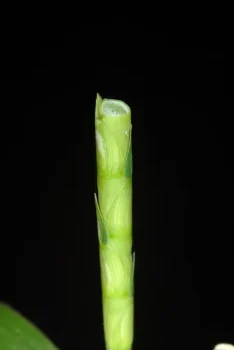
Itchgrass: Why This Invasive Grass Should Stay Out of Your Garden
If you’ve stumbled across the name itchgrass (Rottboellia cochinchinensis) while researching grasses for your garden, here’s some important information that might save you a lot of future headaches – and I do mean that quite literally! This annual grass might sound harmless enough, but it’s actually one plant you’ll want to steer clear of entirely.
What Exactly Is Itchgrass?
Itchgrass is a non-native annual grass that originally hails from Southeast Asia. Despite its exotic origins, this graminoid (that’s just a fancy way of saying grass-like plant) has made itself thoroughly unwelcome across much of the southern United States. You might also see it listed under several botanical synonyms, including Aegilops exaltata, Manisuris exaltata, or Rottboellia exaltata, but they all refer to the same problematic plant.
Where You’ll Find This Unwelcome Guest
Currently, itchgrass has established populations across the southeastern and south-central United States. You’ll find it growing wild in Arkansas, Florida, Georgia, Indiana, Louisiana, Mississippi, North Carolina, Texas, and Puerto Rico. The plant thrives in USDA hardiness zones 8-11, where warm, humid conditions create the perfect environment for it to spread rapidly.
- Species observed
- No observations
Why Itchgrass Earned Its Noxious Reputation
Here’s where things get serious: itchgrass isn’t just an unwanted garden guest – it’s officially classified as a noxious weed in the United States. This designation isn’t handed out lightly. The plant has earned this status because it:
- Reproduces rapidly and spreads aggressively without human intervention
- Outcompetes native plant species
- Can cause skin irritation (hence the name itchgrass)
- Creates dense stands that are difficult to eliminate once established
Growing Conditions: Why It’s So Successful (Unfortunately)
Part of what makes itchgrass so problematic is its adaptability. According to wetland status classifications, this plant is quite flexible about where it grows. It’s generally considered facultative upland, meaning it usually prefers drier areas but can tolerate some moisture. This adaptability across different moisture conditions – from the Arid West to the Atlantic and Gulf Coastal Plain – helps explain why it’s been so successful at establishing itself across diverse regions.
The Bottom Line: Don’t Plant It!
As a responsible gardener, the best thing you can do regarding itchgrass is to avoid it completely. Never intentionally plant it, and if you discover it growing on your property, take steps to remove it before it can spread further. Its classification as both non-native and noxious means it poses a real threat to local ecosystems and native plant communities.
Better Alternatives for Your Garden
Instead of risking the introduction of this problematic species, consider these native grass alternatives that will provide beauty without the ecological baggage:
- Little bluestem (Schizachyrium scoparium)
- Buffalo grass (Poaceae dactyloides)
- Purple lovegrass (Eragrostis spectabilis)
- Switchgrass (Panicum virgatum)
These native options will support local wildlife, integrate beautifully with your regional ecosystem, and won’t require the constant vigilance that comes with managing invasive species.
Final Thoughts
While itchgrass might seem like just another grass species, its invasive nature and noxious classification make it a plant that’s best left out of any gardening plans. By choosing native alternatives instead, you’ll be doing your local ecosystem a favor while still enjoying the beauty and benefits that ornamental grasses can bring to your landscape. Remember: sometimes the best gardening advice is knowing what not to plant!