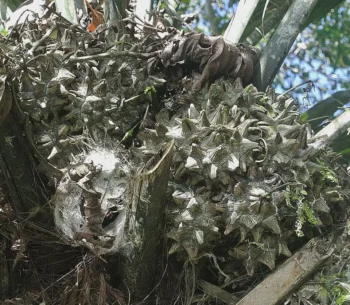
Ivory Nut Palm: A Fascinating Tropical Giant for Warm Climate Gardens
If you’ve ever dreamed of transforming your garden into a tropical paradise, the ivory nut palm (Phytelephas macrocarpa) might just catch your attention. This remarkable palm isn’t your typical backyard tree – it’s a conversation starter with a fascinating backstory and some pretty specific needs.
What Makes the Ivory Nut Palm Special?
The ivory nut palm gets its intriguing name from its hard, white seeds that were once carved into buttons and trinkets as a substitute for elephant ivory. Talk about a plant with historical significance! This isn’t just any palm – it’s a slow-growing giant that can eventually reach impressive heights of 20-30 feet with an equally wide spread.
What really sets this palm apart are its massive, fan-shaped leaves that can stretch up to 20 feet long. These dramatic fronds create an almost prehistoric atmosphere in the garden, making you feel like you’ve stepped into a lost world.
Where Does It Come From?
The ivory nut palm calls the Pacific coast of South America home, thriving naturally in the humid rainforests of Colombia, Ecuador, and northwestern Peru. In these misty, tropical environments, it grows as an understory plant, which gives us important clues about how to care for it.
Is This Palm Right for Your Garden?
Here’s where we need to have an honest conversation. The ivory nut palm is absolutely stunning, but it’s definitely not for every gardener or every climate. Let’s break down the pros and cons:
The Good News:
- Creates an incredible tropical focal point
- Unique architectural presence in the landscape
- Interesting conversation piece with historical significance
- Provides excellent shade once mature
- Non-invasive and well-behaved
The Challenges:
- Extremely limited climate tolerance (USDA zones 10-12 only)
- Very slow growth rate means patience is essential
- Requires consistently high humidity
- Not native to North America
- Can be difficult to source
Growing Conditions and Care
If you live in southern Florida, Hawaii, or similar tropical climates and you’re up for the challenge, here’s what your ivory nut palm will need to thrive:
Climate Requirements:
- USDA hardiness zones 10-12 (no frost tolerance)
- High humidity (60% or higher)
- Warm temperatures year-round
- Protection from strong winds
Light and Location:
- Partial shade to filtered light (mimics its natural understory habitat)
- Protection from harsh afternoon sun
- Sheltered location away from strong winds
Soil and Water:
- Rich, well-draining soil high in organic matter
- Consistent moisture without waterlogging
- Regular feeding with palm-specific fertilizer
- Mulching to retain moisture and keep roots cool
Planting and Care Tips
Getting your ivory nut palm established requires some finesse. Plant it in a location where it won’t be disturbed, as these palms don’t appreciate root disturbance once settled. Create a microclimate with higher humidity by grouping it with other tropical plants or placing it near a water feature.
Be patient with growth – this is definitely a plant for the next generation kind of tree. Regular watering during dry spells and annual fertilization will keep it happy, but don’t expect rapid results.
Consider Native Alternatives
While the ivory nut palm is undeniably exotic and beautiful, consider exploring native palm options for your region first. In Florida, native palms like the sabal palm or saw palmetto offer tropical appeal while supporting local ecosystems and requiring less intensive care.
If you’re set on the ivory nut palm and have the right climate, make sure to source it from reputable nurseries that propagate their plants responsibly.
The Bottom Line
The ivory nut palm is like that exotic friend who’s absolutely fascinating but requires a lot of attention – rewarding for those who can provide what it needs, but not the easiest relationship to maintain. If you have the right climate, patience, and dedication to creating the perfect tropical microenvironment, it can be an absolutely stunning addition to your landscape. Just be prepared for a long-term commitment to this slow-growing beauty!