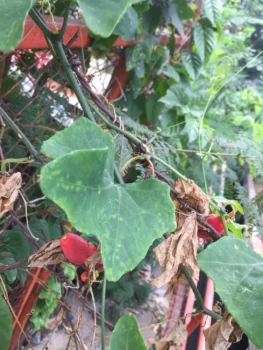
Ivy Gourd: A Fast-Growing Vine with Tropical Appeal
If you’re looking for a vigorous climbing vine that can quickly cover a fence or trellis, ivy gourd (Coccinia grandis) might catch your attention. This fast-growing perennial vine brings a tropical feel to warm-climate gardens, but there are some important considerations before adding it to your landscape.
What is Ivy Gourd?
Ivy gourd, scientifically known as Coccinia grandis, is a climbing perennial vine that belongs to the cucumber family. You might also see it listed under its botanical synonyms Bryonia grandis or Coccinia indica in older gardening references. This herbaceous plant lacks woody tissue above ground, instead relying on its vigorous vining habit to reach impressive heights.
Origins and Current Distribution
Originally native to tropical regions of Africa and Asia, particularly India and Southeast Asia, ivy gourd has traveled far from its homeland. In the United States, you’ll find established populations in Florida, Hawaii, Texas, Guam, and the U.S. Virgin Islands. The plant has naturalized in these warm regions, meaning it reproduces and persists without human intervention.
- Species observed
- No observations
Garden Appeal and Characteristics
Ivy gourd offers several attractive features that appeal to gardeners:
- Heart-shaped, bright green leaves that create dense coverage
- Small, delicate white flowers that bloom throughout the growing season
- Colorful fruits that start green and mature to bright red
- Extremely fast growth rate that can quickly cover structures
The vine can reach substantial heights when given proper support, making it effective for screening or creating green walls in tropical and subtropical gardens.
Garden Role and Landscape Use
This vigorous climber works well in several landscape applications:
- Covering fences, walls, or unsightly structures
- Training over pergolas or arbors for quick shade
- Ground cover in areas where it can be contained
- Adding tropical ambiance to warm-climate gardens
However, its aggressive growth habit means it needs regular management and strong support structures.
Growing Conditions and Care
Ivy gourd thrives in warm, humid conditions similar to its native tropical habitat:
- Climate: USDA hardiness zones 9-11 (cannot tolerate frost)
- Light: Full sun to partial shade
- Soil: Well-draining soil with consistent moisture
- Water: Regular watering, but avoid waterlogged conditions
- Support: Requires sturdy trellises, fences, or other climbing structures
Planting and Maintenance Tips
If you decide to grow ivy gourd, here are some essential care guidelines:
- Install robust support structures before planting, as the vine becomes quite heavy
- Prune regularly to control spread and prevent overwhelming nearby plants
- Monitor growth closely, especially during the warm growing season
- Provide consistent moisture but ensure good drainage
- Be prepared for year-round management in frost-free areas
Wildlife and Pollinator Benefits
The small white flowers of ivy gourd attract bees and other small pollinators, providing nectar sources throughout the blooming period. The colorful fruits may also attract birds, though their wildlife value in non-native regions isn’t extensively documented.
Important Considerations
Before planting ivy gourd, consider these factors:
- It’s a non-native species that has naturalized in several U.S. regions
- Its aggressive growth habit requires ongoing management
- It may compete with native vegetation if not properly contained
- The plant cannot survive freezing temperatures
Native Alternatives to Consider
If you’re drawn to ivy gourd’s climbing habit and tropical appearance, consider these native alternatives for your region:
- American groundnut (Apios americana) for temperate climates
- Cross vine (Bignonia capreolata) for southeastern gardens
- Native passion vines (Passiflora species) for warm climates
- Wild grape species (Vitis species) for diverse regions
These native options provide similar screening and climbing benefits while supporting local ecosystems and requiring less intensive management.
The Bottom Line
Ivy gourd can be an attractive addition to warm-climate gardens where its vigorous growth can be properly managed and contained. While it offers quick coverage and tropical appeal, gardeners should weigh these benefits against the ongoing maintenance requirements and consider native alternatives that provide similar benefits with greater ecological value. If you choose to grow ivy gourd, commit to regular pruning and monitoring to keep it from overwhelming your garden space.