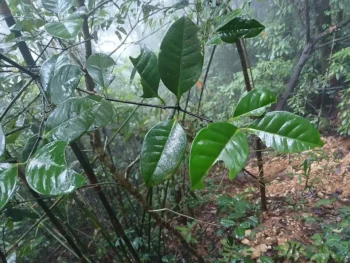
Ixora: The Tropical Flowering Shrub That Brings Year-Round Color
If you’ve ever wandered through a tropical garden and been mesmerized by clusters of tiny, vibrant flowers blooming against glossy green leaves, you’ve likely encountered ixora. This eye-catching shrub has become a popular choice for warm-climate gardeners who want reliable color and relatively easy care.
What Exactly Is Ixora?
Ixora is a perennial flowering shrub that typically grows as a multi-stemmed woody plant, usually staying under 13 to 16 feet in height. Think of it as nature’s confetti maker – it produces dense clusters of small, tubular flowers in brilliant shades of red, orange, pink, yellow, and white. The flowers bloom almost continuously in warm climates, making this shrub a real showstopper.
Where Does Ixora Come From?
Originally native to tropical regions of Asia and Africa, ixora is actually a non-native species in the United States. It’s an introduced plant that has established itself and reproduces on its own in warmer regions. You’ll find ixora growing in Florida, Puerto Rico, the Virgin Islands, and Palau, where it has adapted well to local conditions.
- Species observed
- No observations
Should You Plant Ixora in Your Garden?
The answer depends on your location, garden goals, and personal preferences. Here’s what to consider:
The Appeal of Ixora
- Nearly year-round flowering in warm climates
- Attracts butterflies and hummingbirds with its nectar-rich blooms
- Versatile enough for hedges, foundation plantings, or container gardens
- Glossy, evergreen foliage provides structure even when not flowering
- Available in multiple flower colors to match your design scheme
Things to Keep in Mind
- Only thrives in USDA hardiness zones 9b through 11
- Frost-sensitive and will suffer damage in cold temperatures
- As a non-native species, it doesn’t provide the same ecosystem benefits as native plants
- Requires consistent care and specific growing conditions
Growing Ixora Successfully
If you decide ixora is right for your garden, here’s how to keep it happy:
Location and Light
Ixora performs best in full sun to partial shade. While it can tolerate some shade, you’ll get the most prolific flowering with at least six hours of direct sunlight daily.
Soil Requirements
This shrub is somewhat particular about its soil. It prefers well-draining, acidic soil with a pH between 5.0 and 6.5. If your soil is alkaline, you may notice yellowing leaves – a sign that the plant can’t properly absorb nutrients.
Watering and Feeding
Keep the soil consistently moist but not waterlogged. Ixora appreciates regular watering, especially during dry spells. Feed it with an acidic fertilizer designed for flowering shrubs, following package directions for frequency.
Pruning and Maintenance
Light pruning after flowering cycles will help maintain shape and encourage new blooms. Remove spent flower clusters and any dead or damaged branches. In areas where frost might occur, be prepared to protect your ixora or consider growing it in containers that can be moved indoors.
Wildlife and Pollinator Benefits
One of ixora’s redeeming qualities is its appeal to pollinators. The tubular flowers are magnets for butterflies, and hummingbirds often visit for the nectar. While it may not support the full range of native wildlife that indigenous plants do, it does contribute to pollinator gardens.
Consider Native Alternatives
If you’re interested in supporting local ecosystems while still enjoying beautiful flowering shrubs, consider researching native alternatives in your area. Native plants often provide superior wildlife habitat and are typically easier to grow since they’re adapted to local conditions.
The Bottom Line on Ixora
Ixora can be a stunning addition to warm-climate gardens, offering reliable color and pollinator appeal. While it’s not native to the United States, it’s not considered invasive either, making it a reasonable choice for gardeners who can provide the right growing conditions. Just remember that success with ixora requires attention to its specific needs – acidic soil, consistent moisture, and protection from cold. If you’re up for the challenge and love the idea of nearly non-stop tropical blooms, ixora might just be the shrub you’ve been looking for.