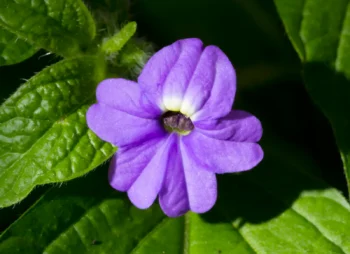
Jamaican Forget-Me-Not: A Charming Annual for Your Garden
If you’re looking for a delicate annual flower that brings a touch of tropical charm to your garden, the Jamaican forget-me-not (Browallia americana) might catch your eye. This petite flowering plant offers dainty blue to purple blooms that can add a soft, cottage garden feel to your landscape.
What is Jamaican Forget-Me-Not?
Jamaican forget-me-not is an annual flowering plant that produces small, tubular flowers in shades of blue and purple. Despite its common name suggesting a connection to traditional forget-me-nots, this plant belongs to a completely different family and hails from Central and South America, including the Caribbean region.
You might also encounter this plant listed under the synonym Browallia viscosa in some older gardening references, but Browallia americana is the accepted botanical name.
Where Does It Grow?
As a non-native species that has naturalized in parts of the United States, Jamaican forget-me-not can be found growing wild in Florida, Massachusetts, Ohio, and Puerto Rico. It’s established itself in these areas and reproduces without human intervention, though it generally prefers non-wetland environments.
- Species observed
- No observations
Should You Grow Jamaican Forget-Me-Not?
This annual can be a lovely addition to informal gardens, containers, and hanging baskets. Here are some reasons you might consider it:
- Produces charming small flowers that attract butterflies and hummingbirds
- Easy to grow from seed
- Works well in partial shade to full sun
- Great for containers and hanging baskets
- Adds a delicate texture to garden borders
However, since this is a non-native plant, you might want to consider native alternatives that provide similar benefits while supporting local ecosystems. Native options like wild bergamot, native asters, or regional wildflowers can offer comparable beauty while providing better support for local pollinators and wildlife.
Growing Conditions and Care
Jamaican forget-me-not is quite adaptable and relatively easy to grow. Here’s what it prefers:
- Light: Partial shade to full sun
- Soil: Moist, well-drained soil
- Water: Consistent moisture (but not waterlogged)
- Hardiness: Grown as an annual in USDA zones 2-11
Planting and Care Tips
Getting started with Jamaican forget-me-not is straightforward:
- Start from seed indoors 6-8 weeks before the last frost, or direct sow after danger of frost has passed
- Keep soil consistently moist but well-drained
- Deadhead spent flowers regularly to encourage continued blooming
- Provide some afternoon shade in very hot climates
- Works beautifully in containers where you can control growing conditions
Pollinator and Wildlife Considerations
While Jamaican forget-me-not does attract butterflies and hummingbirds, its non-native status means it doesn’t provide the specialized support that native plants offer to local wildlife populations. If supporting native pollinators and wildlife is a priority for your garden, consider researching native flowering annuals in your region that can provide similar aesthetic appeal while offering greater ecological benefits.
The Bottom Line
Jamaican forget-me-not can be a pleasant addition to gardens where you want easy-care annual color, especially in containers or informal garden settings. While it’s not invasive or harmful, incorporating native plants alongside or instead of non-native species like this one can help create a more ecologically beneficial garden that truly supports your local environment.