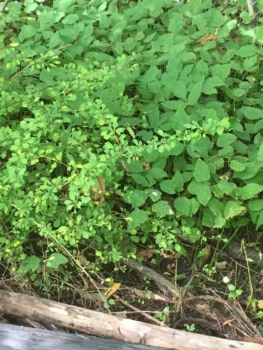
Japanese Barberry: A Beautiful But Problematic Garden Choice
If you’ve been considering Japanese barberry (Berberis thunbergii) for your landscape, you’re probably drawn to its vibrant fall colors, neat growth habit, and reputation as a low-maintenance shrub. While this thorny deciduous plant certainly has aesthetic appeal, there’s more to the story that every responsible gardener should know.
What is Japanese Barberry?
Japanese barberry is a perennial, multi-stemmed woody shrub that typically reaches about 6 feet in both height and width at maturity. Despite its common name suggesting otherwise, this plant is not native to North America – it originally hails from Japan and eastern Asia. The shrub grows at a moderate rate and develops a rounded, dense form that makes it popular for hedging and foundation plantings.
Where Japanese Barberry Grows
This adaptable shrub has spread far beyond its native range and now grows throughout much of North America. You can find it established in Canadian provinces including New Brunswick, Nova Scotia, Ontario, Prince Edward Island, and Quebec, as well as across numerous U.S. states from Maine to Georgia and as far west as Washington and Wyoming.
- Species observed
- No observations
The Invasive Species Problem
Here’s where things get concerning: Japanese barberry is classified as invasive in multiple states and restricted in others. Its invasive status includes:
- Invasive in Connecticut, Delaware, Michigan, and North Carolina
- Prohibited in New Hampshire
- Restricted in Wisconsin
- Watch List in Alabama
- Tier 2 status in Maryland
This widespread recognition as problematic isn’t without reason. Japanese barberry reproduces readily in the wild without human help, forming dense thickets that crowd out native plants and disrupt local ecosystems.
Aesthetic Appeal and Garden Role
It’s easy to see why Japanese barberry became popular in landscaping. The shrub produces small, bright yellow flowers in late spring, followed by conspicuous red berries that persist through winter. Its fine-textured foliage turns from dark green to brilliant orange-red in fall, creating a striking autumn display. Many cultivars offer purple or reddish foliage throughout the growing season.
Traditionally, Japanese barberry has been used for:
- Hedge plantings and living barriers
- Foundation plantings around buildings
- Erosion control on slopes
- Security plantings due to its thorny nature
Growing Conditions and Care
Part of what makes Japanese barberry problematic is how easy it is to grow. This adaptability allows it to escape cultivation and thrive in wild areas. The plant tolerates:
- USDA hardiness zones 4-8 (withstanding temperatures as low as -28°F)
- Various soil types from coarse to fine textured
- pH levels between 5.5 and 7.2
- Drought conditions once established
- Full sun to partial shade (though it’s intolerant of deep shade)
The shrub requires minimal fertilization, has low moisture needs, and tolerates heavy pruning – all traits that make it both an easy garden plant and a successful invasive species.
Wildlife and Pollinator Considerations
While Japanese barberry’s small yellow flowers do provide some nectar for bees and other pollinators during its late spring bloom period, the plant’s overall impact on wildlife is largely negative. Dense barberry thickets create poor habitat for native wildlife and can alter soil chemistry, making conditions less favorable for native plants that provide better wildlife resources.
Our Recommendation: Skip This One
Given Japanese barberry’s invasive status across multiple states and its tendency to escape gardens and disrupt native ecosystems, we strongly recommend against planting this species. While it may seem attractive and low-maintenance, the environmental costs outweigh the benefits.
Native Alternatives to Consider
Instead of Japanese barberry, consider these native alternatives that provide similar landscape functions without the invasive risks:
- Spicebush (Lindera benzoin) – offers brilliant yellow fall color and supports native wildlife
- Elderberry (Sambucus canadensis) – provides berries for birds and beautiful white flower clusters
- Native viburnums – many species offer seasonal interest and excellent wildlife value
- Serviceberry (Amelanchier species) – beautiful spring flowers, edible berries, and stunning fall color
These native options will give you the aesthetic appeal you’re looking for while supporting local ecosystems and wildlife. Your garden – and your local environment – will thank you for making the responsible choice.