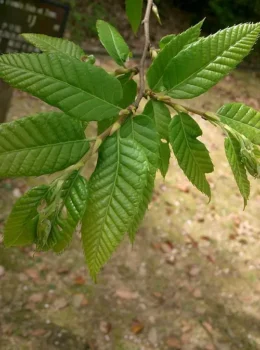
Japanese Chestnut: A Nutty Addition to Your Landscape
If you’ve ever wondered about growing your own chestnuts, the Japanese chestnut (Castanea crenata) might just catch your fancy. This handsome tree has been quietly making itself at home in parts of the United States, offering both ornamental beauty and the promise of homegrown nuts. But is it the right choice for your garden? Let’s crack open the details!
What Exactly Is a Japanese Chestnut?
The Japanese chestnut is a perennial, woody tree that typically grows 13 to 16 feet or taller, though under certain conditions it might stay more compact. Originally from Japan, Korea, and parts of China, this tree has found its way into American landscapes and even reproduces on its own in some areas.
You might also see this tree listed under its former scientific names, including Castanea japonica, Castanea pubinervis, or Castanea stricta, but Castanea crenata is the name that stuck.
Where You’ll Find Japanese Chestnuts Growing Wild
In the United States, Japanese chestnuts have established themselves in Florida, New Jersey, and New York, where they’ve naturalized and spread without human help.
- Species observed
- No observations
The Good, The Beautiful, and The Tasty
Japanese chestnuts bring several appealing qualities to the landscape:
- Glossy, serrated leaves that create attractive foliage throughout the growing season
- Showy white catkin flowers in spring that add ornamental interest
- Edible nuts enclosed in spiny burrs (though you’ll want to handle those carefully!)
- A sturdy growth habit that makes it suitable as a shade tree
The spring flowers aren’t just pretty—they’re also magnets for bees and other pollinators, making this tree a helpful addition for supporting local wildlife.
Is This Tree Right for Your Garden?
Japanese chestnuts work best in larger landscapes where they have room to spread out. Think spacious residential properties, parks, or woodland gardens rather than tiny urban plots. If you’re interested in edible landscaping or want a substantial shade tree with seasonal interest, this could be a good fit.
However, since this isn’t a native North American species, you might want to consider native alternatives first. American chestnut (where blight-resistant varieties are available) or native oak species could provide similar benefits while supporting local ecosystems more directly.
Growing Conditions and Care
Japanese chestnuts are relatively easygoing trees once established. Here’s what they prefer:
- Light: Full sun to partial shade
- Soil: Well-drained soil that’s acidic to neutral
- Water: Moderate moisture, especially important when young
- Climate: Hardy in USDA zones 4-8
Planting and Care Tips
Ready to plant? Here’s how to give your Japanese chestnut the best start:
- Plant in spring when the soil is workable
- Space trees at least 30 feet apart—they need room to grow!
- Keep young trees consistently watered until they’re established
- If you want nuts, plant at least two trees for cross-pollination
- Minimal pruning needed, just remove dead or damaged branches
The Bottom Line
Japanese chestnuts can make attractive landscape trees, especially if you’re interested in edible landscaping and have the space for them. While they’re not invasive troublemakers, they’re also not native to North America. If supporting local wildlife and ecosystems is your priority, consider native alternatives first. But if you do decide to plant Japanese chestnuts, they’re generally well-behaved trees that can provide years of shade, spring beauty, and potentially a harvest of nuts to boot.
Just remember: good fences make good neighbors, and proper spacing makes happy chestnuts!