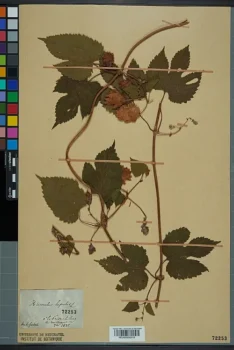
Japanese Hop: Why This Fast-Growing Vine Should Stay Out of Your Garden
If you’ve been searching for a quick-growing vine to cover that unsightly fence or provide rapid screening, you might have come across Japanese hop (Humulus japonicus). While this annual climbing plant might seem like an attractive solution with its heart-shaped leaves and vigorous growth, there’s a very good reason to steer clear of this particular green climber.
What is Japanese Hop?
Japanese hop is an annual herbaceous vine that belongs to the same family as the hops used in beer brewing. Don’t let the familiar name fool you though – this plant is quite different from its commercial cousin. Also known by the synonym Humulus scandens, this fast-growing forb can reach impressive heights in a single growing season, making it seem like a gardener’s dream for quick coverage.
The plant features distinctive heart-shaped, serrated leaves with a rough, sandpaper-like texture that can actually be quite harsh on the skin. Its small, greenish flowers aren’t particularly showy, and it produces papery, hop-like fruits later in the season.
The Problem: It’s an Invasive Species
Here’s where things get serious. Japanese hop is not native to North America – it hails from East Asia, including Japan, Korea, and parts of China. More importantly, it’s classified as invasive in multiple states and has earned some pretty stern warnings from conservation authorities:
- Connecticut lists it as Potentially Invasive, Prohibited
- Missouri classifies it as Invasive
- New Hampshire has it marked as Prohibited
- Wisconsin lists it as Prohibited/Restricted
This isn’t just bureaucratic red tape – Japanese hop has proven itself capable of overwhelming native vegetation and disrupting local ecosystems wherever it takes hold.
Where You’ll Find It (Unfortunately)
Japanese hop has already established itself across a wide swath of North America, from the Atlantic coast to the Great Plains. You can find it growing wild in 35 states and two Canadian provinces, including Alabama, Arkansas, Connecticut, Delaware, Georgia, Illinois, Indiana, Iowa, Kansas, Kentucky, Maine, Maryland, Massachusetts, Michigan, Minnesota, Missouri, Nebraska, New Hampshire, New Jersey, New York, North Carolina, North Dakota, Ohio, Pennsylvania, Rhode Island, South Carolina, South Dakota, Tennessee, Vermont, Virginia, West Virginia, Wisconsin, Ontario, and Quebec.
- Species observed
- No observations
Why It’s Such a Garden Menace
Japanese hop’s success as an invasive species comes from its remarkable adaptability. It thrives in USDA hardiness zones 4-8 and isn’t particularly picky about growing conditions. Whether your garden has full sun or partial shade, moist soil or drier conditions, this vine will likely find a way to make itself at home.
The plant’s wetland status varies by region, but it’s generally classified as Facultative to Facultative Upland, meaning it can grow in both wet and dry conditions. This flexibility is part of what makes it so problematic – there are few places it can’t establish itself.
As for wildlife benefits, Japanese hop offers very little to native pollinators or wildlife. Its flowers are wind-pollinated rather than insect-pollinated, so it doesn’t support the bees, butterflies, and other beneficial insects that our gardens should be helping.
Better Alternatives for Your Garden
Instead of risking ecological damage with Japanese hop, consider these native alternatives that will give you the coverage you want while supporting local wildlife:
- American groundnut (Apios americana) – A native climbing vine with fragrant flowers
- Virgin’s bower (Clematis virginiana) – A native clematis with attractive white flowers
- Wild grape (Vitis riparia) – Provides food for wildlife and can offer screening
- American hop (Humulus lupulus var. americanus) – The native cousin that won’t cause ecological problems
The Bottom Line
While Japanese hop might seem like an easy solution for quick garden coverage, the environmental cost is simply too high. Its invasive nature and ability to disrupt native plant communities make it a poor choice for responsible gardeners. Instead, choose native alternatives that will provide the screening or coverage you need while supporting local ecosystems and wildlife.
Remember, every plant choice we make in our gardens has an impact beyond our property lines. By choosing native species over invasive ones like Japanese hop, we’re doing our part to protect and preserve the natural heritage of our local landscapes.