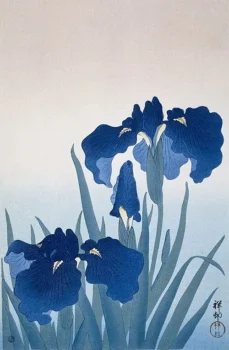
Japanese Iris: A Stunning Water-Loving Perennial for Your Garden
If you’re looking for a show-stopping perennial that loves wet feet and delivers spectacular blooms, the Japanese iris (Iris ensata) might just be your new garden favorite. This moisture-loving beauty brings dramatic flair to water gardens and soggy spots where other plants might struggle.
What Exactly is Japanese Iris?
Japanese iris is a herbaceous perennial forb that dies back to the ground each winter and returns with fresh growth in spring. Also known by its synonym Iris kaempferi, this plant is native to Japan, China, Korea, Mongolia, and parts of Russia. While it’s not native to North America, it has naturalized in several states including Connecticut, Maryland, North Carolina, Pennsylvania, Vermont, and parts of Ontario, Canada.
Where You’ll Find Japanese Iris Growing
In North America, Japanese iris has established itself in scattered locations across the northeastern United States and southeastern Canada. You’ll find it thriving in consistently moist areas where it can spread naturally.
- Species observed
- No observations
Why Gardeners Love (and Sometimes Avoid) Japanese Iris
The Good News:
- Absolutely stunning flowers that can reach 4-6 inches across
- Blooms come in gorgeous shades of purple, blue, white, and pink
- Thrives in soggy conditions where other plants fail
- Attracts beneficial pollinators like bees and butterflies
- Relatively low maintenance once established
- Hardy in USDA zones 4-9
Things to Consider:
- Not native to North America, so it won’t support native wildlife as effectively as indigenous plants
- Requires consistently moist to wet soil conditions
- Can spread in ideal conditions, though it’s not considered invasive
Perfect Spots for Japanese Iris
Japanese iris shines brightest in water gardens, bog gardens, and rain gardens where its love for moisture can be satisfied. It also works beautifully as a specimen plant near ponds or in consistently moist perennial borders. The sword-like foliage provides excellent vertical interest even when not in bloom.
Growing Japanese Iris Successfully
Light Requirements: Full sun to partial shade (at least 6 hours of sunlight for best blooming)
Soil Needs: The key to happy Japanese iris is moisture, moisture, moisture! This plant thrives in consistently wet to moist soil with good organic content. It prefers slightly acidic to neutral soil (pH 6.0-7.0).
Planting Tips:
- Plant in spring after the last frost
- Space plants 18-24 inches apart
- Plant at the same depth they were growing in their containers
- Water thoroughly after planting
Care and Maintenance:
- Never let the soil dry out completely
- Apply a 2-3 inch layer of organic mulch to retain moisture
- Divide clumps every 3-4 years in early spring
- Cut back foliage in late fall or early spring
- Apply winter mulch in zones 4-5 for extra protection
Supporting Native Ecosystems
While Japanese iris can be a beautiful addition to moisture-loving gardens, consider pairing it with or substituting native alternatives that provide better wildlife support. Native options for wet areas include blue flag iris (Iris versicolor), wild bergamot, swamp milkweed, or cardinal flower, depending on your region.
The Bottom Line
Japanese iris offers undeniable beauty for gardeners dealing with consistently moist or wet areas. Its spectacular blooms and relatively easy care make it a worthwhile addition to water gardens and bog areas. Just remember to keep that soil moist, give it some breathing room, and consider incorporating native plants nearby to create a well-balanced garden ecosystem that supports local wildlife while still enjoying this stunning ornamental.