Japanese Laurel: A Shade-Loving Evergreen for Low-Light Gardens
If you’ve been struggling to find something green and gorgeous for that perpetually shady corner of your yard, Japanese laurel (Aucuba japonica) might just be your new best friend. This glossy-leaved evergreen shrub has been winning over gardeners for decades with its ability to thrive where many other plants fear to tread – in deep shade.
What Is Japanese Laurel?
Japanese laurel is a perennial, multi-stemmed woody shrub that typically grows 4 to 5 meters (13 to 16 feet) tall, though it usually stays more compact in garden settings. Despite its name, it’s not actually related to true laurels. This evergreen beauty is native to Japan, Korea, and parts of China, but has found a comfortable home in gardens across the United States.
Where Does Japanese Laurel Grow?
As a non-native species, Japanese laurel has established itself in the wild in North Carolina and Washington, where it reproduces naturally without human intervention. In cultivation, it thrives in USDA hardiness zones 7-10, making it suitable for much of the southern and western United States.
- Species observed
- No observations
Why Gardeners Love (and Sometimes Question) Japanese Laurel
Japanese laurel brings several appealing qualities to the garden:
- Glossy, leathery evergreen leaves that stay attractive year-round
- Many varieties feature striking yellow variegation or spotting
- Exceptional shade tolerance – thrives where other plants struggle
- Low maintenance once established
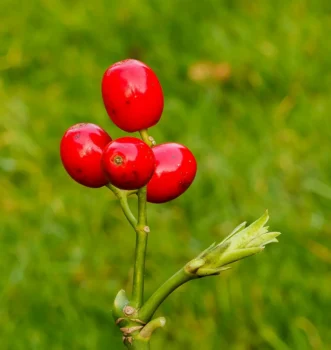
- Female plants produce bright red berries that add winter interest
- Deer resistant
However, since it’s not native to North America, Japanese laurel doesn’t provide the same ecological benefits as indigenous plants. The small, inconspicuous purple flowers offer limited value to pollinators, and local wildlife may not utilize it as effectively as native alternatives.
Perfect Spots for Japanese Laurel
This adaptable shrub works beautifully in:
- Shade and woodland gardens
- Foundation plantings on the north side of buildings
- Asian-inspired landscape designs
- Low-maintenance landscapes
- Hedging in shaded areas
- Container gardens in protected locations
Growing Japanese Laurel Successfully
The secret to happy Japanese laurel is understanding its preferences:
Light Requirements: Shade to partial shade is ideal. While it can tolerate some morning sun, protect it from harsh afternoon sun which can scorch the leaves.
Soil Needs: Well-draining, moist soil works best. It’s not particularly fussy about soil type but appreciates consistent moisture.
Planting Tips: Spring is the best time to plant. Dig a hole twice as wide as the root ball and plant at the same depth it was growing in the container. Water thoroughly and apply a 2-3 inch layer of mulch around the base.
Care and Maintenance: Once established, Japanese laurel is relatively low-maintenance. Water regularly during dry spells, especially in the first year. Light pruning in late winter or early spring helps maintain shape. Protect from strong winds, which can damage the large leaves.
Consider Native Alternatives
While Japanese laurel is a reliable performer, consider these native alternatives that provide similar benefits plus ecological value:
- Mountain laurel (Kalmia latifolia) for evergreen structure
- Rhododendron species native to your region
- Serviceberry (Amelanchier species) for shade tolerance and wildlife value
- Native azaleas for colorful spring blooms
The Bottom Line
Japanese laurel can be a practical solution for challenging shady spots where you need reliable evergreen structure. While it won’t support local ecosystems like native plants do, it’s not considered invasive and can coexist peacefully in the landscape. If you choose to grow it, you’ll enjoy years of glossy green foliage with minimal fuss – just remember to balance non-native choices with plenty of native plants to support local wildlife.
Whether you’re dealing with deep shade, need a low-maintenance foundation planting, or want to add some Asian flair to your garden, Japanese laurel might just fill that tricky spot you’ve been puzzling over.