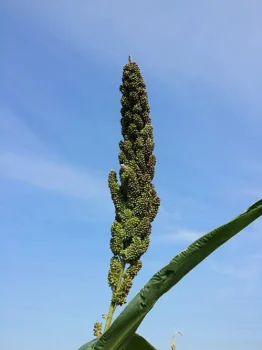
Japanese Millet: A Versatile Annual Grass for Your Garden
If you’re looking for a fast-growing annual grass that can add texture and movement to your garden, Japanese millet (Echinochloa esculenta) might catch your eye. This adaptable grass has been quietly making itself at home across various regions of the United States, offering both opportunities and considerations for today’s gardeners.
What is Japanese Millet?
Japanese millet is an annual grass that belongs to the graminoid family – that’s botanist-speak for grass and grass-like plants. Originally from East Asia, this species has established itself in several U.S. states and has been cultivated for centuries as both a food crop and forage plant. You might occasionally see it listed under its synonym, Echinochloa utilis.
Where Does Japanese Millet Grow?
Currently, Japanese millet can be found growing in California, Florida, Hawaii, Missouri, and New York. As a non-native species, it has naturalized in these areas, meaning it reproduces on its own and persists without human intervention. This adaptable grass has shown it can thrive in diverse climates from the tropical conditions of Hawaii to the varied seasons of the Northeast.
- Species observed
- No observations
Garden Appeal and Landscape Role
Japanese millet brings several appealing qualities to the garden:
- Fast growth that provides quick coverage and screening
- Upright growth habit with broad, textural leaves
- Distinctive seed heads that add visual interest
- Excellent for erosion control on slopes or disturbed areas
- Works well in naturalized meadow gardens and rain gardens
The grass typically reaches moderate heights and can serve as a backdrop for shorter plants or as a temporary screen while slower-growing plants establish.
Growing Conditions and Care
One of Japanese millet’s strengths is its adaptability to different moisture conditions. Depending on your region, it shows varying preferences for wet versus dry sites:
- In Hawaii and the Midwest: Prefers wetland conditions but can tolerate drier sites
- In most other regions: Usually grows in upland (non-wetland) areas but can handle wet conditions
- Along the Atlantic and Gulf coasts: Equally comfortable in wet or dry locations
As an annual, Japanese millet completes its entire life cycle in one growing season, making it suitable for USDA hardiness zones 3-11. It thrives in full sun and adapts to various soil types, making it relatively low-maintenance once established.
Planting and Propagation
Japanese millet is typically grown from seed and is known for being easy to establish. The plant readily self-sows, which means you may find volunteer seedlings appearing in subsequent seasons. This characteristic makes it useful for naturalizing areas but also means you’ll want to manage it thoughtfully to prevent unwanted spread.
Wildlife and Environmental Benefits
While Japanese millet is wind-pollinated and doesn’t directly attract pollinators like flowers do, it provides valuable habitat structure for wildlife. Birds often appreciate both the seeds and the cover that grasses provide, and the plant can contribute to soil stabilization in erosion-prone areas.
Should You Grow Japanese Millet?
Japanese millet can be a useful addition to certain garden situations, particularly if you need quick-growing coverage, erosion control, or want to add texture to a naturalized area. However, as a non-native species that readily self-sows, it’s worth considering native alternatives that might provide similar benefits while supporting local ecosystems.
Consider native grasses like switchgrass (Panicum virgatum), little bluestem (Schizachyrium scoparium), or regional sedges that can offer comparable aesthetic appeal and ecological benefits. These alternatives will be better adapted to your local conditions and provide more value to native wildlife.
If you do choose to grow Japanese millet, monitor its spread and be prepared to manage volunteers. Its adaptability and self-sowing nature make it a plant that requires some oversight to keep it where you want it.
The Bottom Line
Japanese millet offers quick results and adaptability, making it useful for specific gardening situations. While it’s not invasive enough to avoid entirely, thoughtful gardeners might first explore native grass options that can provide similar benefits while supporting local wildlife. Whatever you choose, understanding your plant’s characteristics – including its tendency to self-sow – will help you create the garden you envision.