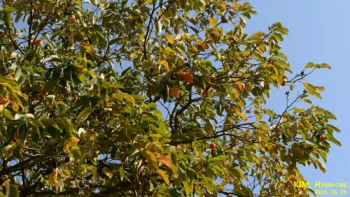
Japanese Persimmon: The Sweet Reward Tree That’s Worth the Wait
If you’ve ever wandered through a garden in late fall and spotted what looks like giant orange ornaments hanging from bare tree branches, you’ve likely encountered the Japanese persimmon (Diospyros kaki). This deciduous fruit tree has been charming gardeners for centuries with its dramatic seasonal show and sweet, honey-like fruits that ripen just as the leaves begin to fall.
Where Japanese Persimmons Come From
Despite its common name, the Japanese persimmon actually hails from China, where it has been cultivated for over 2,000 years. It made its way to Japan centuries ago and became so associated with Japanese culture that it earned its misleading moniker. Today, this non-native species has found homes in gardens across the warmer regions of North America.
Why You Might Fall for This Tree
Japanese persimmons offer a delightful combination of ornamental beauty and edible rewards. Here’s what makes them garden-worthy:
- Large, glossy green leaves that transform into brilliant yellow-orange fall color
- Sweet, flavorful fruits that can be eaten fresh or dried
- Attractive, textured bark that adds winter interest
- Relatively low maintenance once established
- Long lifespan with productive fruiting for decades
The Reality Check: What to Consider Before Planting
While Japanese persimmons have their charms, they’re not perfect for every garden situation. Here are some factors to keep in mind:
- They can take 3-6 years to begin fruiting, so patience is required
- Mature trees can reach 25-30 feet tall and wide, needing adequate space
- Fruit drop can create a messy situation if not harvested timely
- Some varieties produce astringent fruits that are unpalatable until fully ripe
- They’re not native, so they don’t provide the same ecological benefits as indigenous species
Growing Conditions and Care
Japanese persimmons are surprisingly adaptable trees that thrive in USDA hardiness zones 7-10. They prefer full sun exposure and well-draining soil, though they can tolerate a variety of soil types once established.
For successful growing:
- Plant in spring after the last frost danger has passed
- Choose a location with at least 6-8 hours of direct sunlight
- Ensure good air circulation to prevent fungal issues
- Water regularly during the first growing season to establish roots
- Apply a balanced fertilizer in early spring
- Minimal pruning is needed – just remove dead or crossing branches
Pollinator and Wildlife Benefits
While Japanese persimmons do produce small, inconspicuous flowers that provide some nectar for bees and other pollinators, their wildlife value is limited compared to native alternatives. The fruits may attract birds and small mammals, though many varieties ripen late in the season when other food sources are becoming scarce.
Landscape Role and Design Ideas
Japanese persimmons work best as specimen trees in larger landscapes where their size and seasonal fruit display can be properly showcased. They’re excellent choices for:
- Home orchards and edible landscaping
- Large residential backyards
- Parks and public spaces
- Fall interest gardens
Native Alternatives to Consider
If you’re interested in supporting local ecosystems while still enjoying attractive fall fruits, consider these native alternatives:
- American persimmon (Diospyros virginiana) – smaller fruits but native to eastern North America
- Serviceberry (Amelanchier species) – beautiful spring flowers and edible berries
- Wild plum (Prunus americana) – spring blooms and small, tart fruits
- Pawpaw (Asimina triloba) – unique tropical-flavored fruits and native status
The Bottom Line
Japanese persimmons can be rewarding additions to the right garden setting, offering both ornamental appeal and delicious fruits. While they won’t provide the same ecological benefits as native species, they’re not invasive and can coexist peacefully in diverse landscapes. If you have the space, patience, and desire for homegrown persimmons, this tree might just be worth the wait. Just remember to do your research on varieties, as some produce astringent fruits that require specific ripening techniques to become palatable!