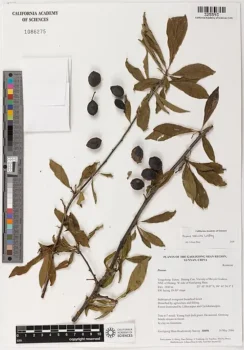
Japanese Plum: A Beautiful Non-Native Addition to Your Garden
If you’re looking for a tree that delivers both stunning spring blooms and delicious fruit, the Japanese plum (Prunus salicina) might catch your eye. Also known by its synonym Prunus triflora, this charming deciduous tree has been winning over gardeners with its early spring flower show and tasty harvest potential.
What Makes Japanese Plum Special?
The Japanese plum is a real showstopper in early spring. Before its leaves even think about appearing, this tree bursts into bloom with fragrant white to pale pink flowers that practically glow against bare branches. Come summer, you’ll be rewarded with colorful plums in shades of red, yellow, or purple – and yes, they’re absolutely edible!
This medium-sized tree typically reaches 15-25 feet tall and wide, making it a perfect fit for most home landscapes without overwhelming smaller spaces.
Geographic Distribution and Native Status
Here’s where we need to set the record straight: despite its popularity in American gardens, the Japanese plum is native to China, not North America. It has been widely cultivated and naturalized in many regions, but it’s definitely not a native species to our continent.
Growing Japanese Plum Successfully
If you decide to add a Japanese plum to your garden, here’s what you need to know to keep it happy:
Growing Conditions
- Full sun (at least 6-8 hours daily)
- Well-drained soil – these trees hate wet feet
- Moderate water needs once established
- USDA hardiness zones 5-9
Planting and Care Tips
- Plant in early spring or fall for best establishment
- Space trees 15-20 feet apart
- Most Japanese plums need a pollination partner for fruit production
- Prune during dormant season to maintain shape and air circulation
- Watch out for late spring frosts that can damage flowers
- Regular watering during fruit development improves harvest quality
Benefits for Pollinators and Wildlife
The early spring blooms of Japanese plum are a welcome sight for bees and other pollinators emerging from winter. These flowers provide valuable nectar when few other sources are available. The fruit also attracts birds and small mammals, though you might find yourself competing with them for the harvest!
Garden Design and Landscape Role
Japanese plum works beautifully as:
- A specimen tree in smaller yards
- Part of an edible landscape or home orchard
- An ornamental focal point in spring garden designs
- A pollinator-friendly addition to wildlife gardens
Should You Plant Japanese Plum?
While Japanese plum isn’t invasive or noxious, it’s worth considering native alternatives that provide similar benefits while supporting local ecosystems. Native options like American plum (Prunus americana) or wild cherry (Prunus serotina) offer beautiful spring flowers and wildlife value while being perfectly adapted to North American conditions.
That said, if you’re set on Japanese plum for its specific fruit qualities or aesthetic appeal, it can be a lovely addition to your garden when grown responsibly. Just remember that choosing native plants whenever possible helps support local wildlife and creates more resilient landscapes.
The Bottom Line
Japanese plum brings undeniable beauty and edible rewards to the garden, but it’s important to understand its non-native status. Whether you choose this species or explore native alternatives, the key is creating a garden that brings you joy while being mindful of the broader ecosystem. Happy gardening!