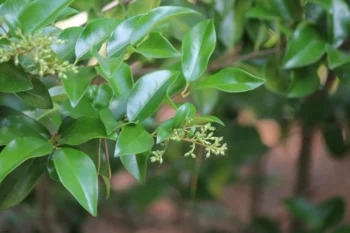
Japanese Privet: Why This Popular Hedge Plant Might Not Be Your Garden’s Best Friend
If you’ve been considering Japanese privet (Ligustrum japonicum) for your landscape, you might want to pump the brakes on that garden center purchase. While this glossy-leaved shrub has been a landscaping staple for decades, there’s more to this story than meets the eye. Let’s dig into why this seemingly perfect hedge plant might actually be causing more harm than good in our native ecosystems.
What Exactly Is Japanese Privet?
Japanese privet is a perennial, multi-stemmed woody shrub that typically grows to about 10 feet tall and wide at maturity. True to its name, this plant hails from Japan, Korea, and China – making it a non-native species in North American gardens. It’s become incredibly popular for its dense, dark green foliage, fragrant white summer flowers, and black berries that appear in fall.
The plant is practically bulletproof in terms of growing conditions, which sounds great until you realize that’s exactly what makes it problematic in the wild.
The Invasive Reality Check
Here’s where things get concerning: Japanese privet isn’t just staying put in our carefully manicured landscapes. This enthusiastic spreader has established itself across multiple states including Alabama, Florida, Georgia, Kentucky, Louisiana, Maryland, Mississippi, North Carolina, South Carolina, Tennessee, Texas, Virginia, and Puerto Rico.
- Species observed
- No observations
In Alabama, it’s classified as a Category 2 invasive species, while North Carolina has labeled it simply as Invasive. These aren’t just bureaucratic labels – they reflect real ecological concerns about how this plant crowds out native species and disrupts local ecosystems.
Why Japanese Privet Spreads Like Wildfire
Japanese privet’s success as an invasive species comes down to a few key traits that make it almost unstoppable:
- Rapid growth rate that outcompetes native plants
- Tolerates shade, meaning it can invade forest understories
- Adapts to various soil types from sandy to clay
- Produces abundant seeds that spread quickly
- High drought tolerance once established
- Survives in USDA hardiness zones 7-10
Growing Conditions (If You Must Know)
Japanese privet is maddeningly adaptable, which explains its invasive success. It thrives in:
- pH levels between 5.5 and 6.9
- Various soil textures from coarse to fine
- Both sunny and shaded locations
- Areas with 30-80 inches of annual precipitation
- Temperatures as low as -13°F
The plant typically stays in upland areas rather than wetlands, though it can occasionally pop up in wetter spots depending on the region.
Wildlife Impact: The Mixed Bag
While Japanese privet does provide some wildlife value – offering food for large animals, small mammals, and terrestrial birds about 5-10% of their diet – this benefit comes at a significant cost. The plant rarely provides cover for wildlife, and its invasive nature means it’s displacing native plants that offer far superior ecological benefits.
The white summer flowers do attract some pollinators like bees and butterflies, but again, native alternatives would provide much more substantial pollinator support.
Our Recommendation: Skip the Privet
Given Japanese privet’s invasive status and ecological concerns, we strongly recommend avoiding this plant in your landscape. While it might seem like the perfect low-maintenance hedge solution, the environmental cost simply isn’t worth it.
Native Alternatives That Actually Help Your Local Ecosystem
Instead of Japanese privet, consider these fantastic native alternatives that will give you similar landscape functions without the ecological guilt:
- American beautyberry (Callicarpa americana) – gorgeous purple berries and excellent wildlife value
- Spicebush (Lindera benzoin) – beautiful fall color and supports native butterflies
- Inkberry holly (Ilex glabra) – evergreen option with excellent bird value
- Native azaleas (Rhododendron species) – stunning spring blooms beloved by pollinators
- Elderberry (Sambucus canadensis) – fast-growing with incredible wildlife benefits
These native options will provide the screening, structure, and beauty you’re looking for while supporting local wildlife and maintaining ecological balance. Your garden – and your local ecosystem – will thank you for making the switch to native plants that truly belong in your landscape.