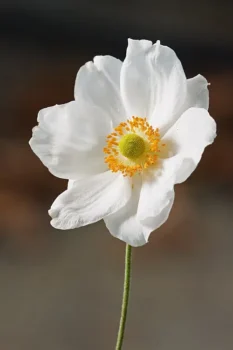
Japanese Thimbleweed: A Late-Season Charmer for Your Garden
If you’re looking for a perennial that brings color to your garden when most flowers are calling it quits for the season, Japanese thimbleweed (Anemone hupehensis) might just be your new best friend. This delicate-looking but surprisingly hardy plant offers a graceful finale to the growing season with its charming pink and white blooms.
What is Japanese Thimbleweed?
Japanese thimbleweed is a perennial forb – basically a non-woody plant that comes back year after year. Despite its common name suggesting Japanese origins, this plant is actually native to central and western China. It’s a member of the buttercup family and has found its way into gardens around the world, including Hawaii where it has naturalized and now grows wild.
Where Does It Grow?
In the United States, Japanese thimbleweed has established itself in Hawaii, where it reproduces on its own without human help. It’s considered a non-native species that has successfully adapted to local conditions there. The plant thrives in USDA hardiness zones 5-8, making it suitable for a wide range of climates.
- Species observed
- No observations
Why Gardeners Love (and Sometimes Question) Japanese Thimbleweed
There’s a lot to appreciate about this plant, but there are also some considerations to keep in mind:
The Good Stuff:
- Late-season blooms when most other flowers have finished
- Attractive pink to white flowers that dance on tall stems
- Excellent for cottage gardens and woodland settings
- Provides nectar for late-season pollinators like bees and butterflies
- Relatively low maintenance once established
- Can handle both wetland and non-wetland conditions
Things to Consider:
- It’s not native to North America, so it won’t support native wildlife ecosystems as effectively as indigenous plants
- Can spread via underground rhizomes, so it might pop up where you don’t expect it
- May not be the best choice if you’re focused on supporting native pollinators and wildlife
Growing Japanese Thimbleweed Successfully
If you decide to give Japanese thimbleweed a try, here’s how to help it thrive:
Ideal Growing Conditions:
- Partial shade (though it can tolerate some sun)
- Moist, well-draining soil
- Cool, temperate conditions
- Protection from harsh afternoon sun in warmer climates
Planting and Care Tips:
- Plant in spring after the last frost
- Space plants about 18-24 inches apart
- Mulch around plants to retain moisture and suppress weeds
- Water regularly during the first growing season
- Divide clumps every 3-4 years to prevent overcrowding
- Cut back spent flowers if you want to prevent self-seeding
Native Alternatives to Consider
While Japanese thimbleweed is a lovely plant, consider these native alternatives that provide similar late-season interest while supporting local ecosystems:
- Wild bergamot (Monarda fistulosa) – attracts pollinators with purple-pink flowers
- New England aster (Symphyotrichum novae-angliae) – provides crucial late-season nectar
- Wild ginger (Asarum canadense) – excellent groundcover for shaded areas
- Coral bells (Heuchera americana) – native foliage plant with delicate flower spikes
The Bottom Line
Japanese thimbleweed is an attractive, low-maintenance perennial that can add charm to woodland and cottage gardens. While it’s not native to North America, it’s also not considered invasive or problematic. If you’re drawn to its late-season blooms and graceful appearance, go ahead and plant it – just consider pairing it with native species to create a more ecologically beneficial garden. And remember, a little goes a long way with this spreader, so plant accordingly!