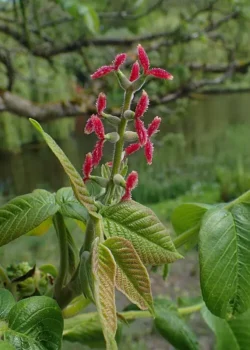
Japanese Walnut: A Hardy Nut Tree for Northern Gardens
If you’ve ever dreamed of harvesting your own walnuts while enjoying the shade of a majestic tree, the Japanese walnut (Juglans ailantifolia) might catch your attention. This robust deciduous tree brings both beauty and bounty to the landscape, though there are some important considerations before you plant one in your yard.
What Exactly Is a Japanese Walnut?
The Japanese walnut is a large, sturdy tree that can tower over your garden at heights exceeding 13-16 feet, often growing much taller with a single, strong trunk. As its name suggests, this perennial tree hails from Japan and eastern Asia, making it a non-native addition to American landscapes.
You might also see this tree listed under its synonyms Juglans ailanthifolia or Juglans sieboldiana in older gardening references, but they’re all referring to the same species.
Where Does It Grow in the United States?
Currently, Japanese walnut has established itself in several northeastern states, including Maine, Massachusetts, New York, and Rhode Island. This tree has proven quite adaptable, reproducing on its own in the wild without human intervention once introduced to an area.
- Species observed
- No observations
The Good, the Bad, and the Nutty
Japanese walnut trees offer several appealing qualities that make gardeners consider them:
- Hardy nature that thrives in USDA zones 4-8
- Produces edible walnuts for harvest
- Provides excellent shade with its broad canopy
- Beautiful compound leaves that turn golden yellow in fall
- Relatively low-maintenance once established
However, there are some important drawbacks to consider:
- Requires significant space – this isn’t a tree for small yards
- Being non-native, it doesn’t support local wildlife as effectively as native species
- Can spread on its own, potentially outcompeting native plants
- May not be the best choice for supporting local pollinators
Growing Japanese Walnut Successfully
If you decide to plant a Japanese walnut, here’s what you need to know to help it thrive:
Location and Conditions
Choose a spot with full sun and plenty of room for the tree to spread. Japanese walnuts adapt to various soil types but prefer well-drained conditions. Make sure you have adequate space – these trees need room to grow both up and out.
Planting and Care
Young trees benefit from regular watering until they establish strong root systems. Once mature, Japanese walnuts are quite self-sufficient and require minimal pruning. The key is patience – like most nut trees, it may take several years before you see your first harvest.
Consider Native Alternatives
Before settling on Japanese walnut, consider these native alternatives that provide similar benefits while supporting local ecosystems:
- Black walnut (Juglans nigra) – produces nuts and supports native wildlife
- Butternut (Juglans cinerea) – another native nut producer, though less common
- Native hickories like Shagbark hickory – excellent for nuts and wildlife
The Bottom Line
Japanese walnut can be a productive and attractive addition to larger properties, especially if you’re interested in nut production and have space to spare. However, given its non-native status and the availability of native alternatives that better support local wildlife, it’s worth weighing your options carefully.
If you do choose to plant one, source it responsibly and be mindful of its potential to spread. And remember – whether you go native or not, any tree that provides shade, beauty, and food is a valuable addition to the landscape when planted thoughtfully.