Jaraguagrass: What You Need to Know Before Planting This African Import
If you’ve been researching grasses for your landscape, you may have come across jaraguagrass (Hyparrhenia rufa), a tall, striking grass that’s made quite a name for itself in warmer climates. But before you rush to add this African native to your garden, there are some important things every gardener should know about this rather ambitious plant.
What Is Jaraguagrass?
Jaraguagrass is a non-native grass species that originally hails from Africa. It’s also known by its scientific name, Hyparrhenia rufa, and you might occasionally see it listed under its synonym Trachypogon rufus. This grass has an interesting dual personality – it can behave as either an annual or perennial depending on growing conditions, which partly explains its adaptability and success in new environments.
Where You’ll Find It Growing
In the United States, jaraguagrass has established itself in Florida, Hawaii, and Puerto Rico. It thrives in these warm, tropical and subtropical regions where it reproduces freely without human intervention. The grass has proven remarkably adaptable, persisting in these areas once introduced.
- Species observed
- No observations
What Does Jaraguagrass Look Like?
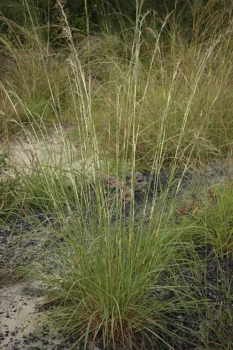
This is where jaraguagrass can actually be quite appealing. It’s a tall, tufted grass that can reach impressive heights of 3 to 6 feet, creating dramatic texture in the landscape. The real showstopper is its seed heads, which display beautiful reddish-brown coloration that gives the grass its distinctive appearance. When mature, these feathery plumes can add movement and visual interest to any space.
The Good, The Bad, and The Spreading
Let’s be honest about jaraguagrass – it’s a bit of a mixed bag. On the positive side, it’s incredibly tough and drought-tolerant once established. It grows quickly, requires minimal care, and can handle a variety of soil conditions. For those in USDA hardiness zones 8-11, it’s practically bulletproof.
However, and this is a big however, jaraguagrass has earned a reputation as an aggressive spreader. This grass doesn’t just grow – it colonizes. While it’s commonly used as pasture grass in some regions, its tendency to spread rapidly and dominate can make it problematic in garden settings.
Growing Conditions and Care
If you do decide to grow jaraguagrass, here’s what you need to know:
- Sunlight: Thrives in full sun conditions
- Soil: Adaptable to various soil types, not particularly fussy
- Water: Drought-tolerant once established, minimal watering needed
- Climate: Best suited for warm climates in zones 8-11
The grass is remarkably low-maintenance once it gets going. In fact, your biggest challenge might be keeping it contained rather than encouraging its growth!
Wetland Considerations
Jaraguagrass shows different preferences depending on your region. In the Atlantic and Gulf Coastal Plain and Caribbean regions, it’s classified as an obligate upland plant, meaning it almost never occurs in wetlands. However, in the Great Plains, it’s facultative upland (usually non-wetland but may occur in wetlands), and in Hawaii, it’s simply facultative, meaning it can thrive in both wetland and non-wetland conditions.
Wildlife and Pollinator Value
As a wind-pollinated grass, jaraguagrass doesn’t offer much direct benefit to pollinators like bees and butterflies. While some birds may use the seeds as food, the wildlife value is generally considered minimal compared to native grass species.
Should You Plant Jaraguagrass?
This is where things get complicated. While jaraguagrass isn’t officially listed as invasive in many areas, its aggressive spreading nature and non-native status should give gardeners pause. If you’re looking for a tall, dramatic grass for your landscape, consider exploring native alternatives that can provide similar aesthetic appeal without the ecological concerns.
For those in Florida, native options like Eastern gamagrass (Tripsacum dactyloides) or Fakahatchee grass (Tripsacum floridanum) can provide height and texture. In Hawaii, native grasses like Hawaiian bent grass (Trisetum glomeratum) might be worth exploring, though they have different growth habits.
The Bottom Line
Jaraguagrass is undeniably tough and visually striking, but it’s also a plant that comes with responsibilities. If you choose to grow it, be prepared to manage its spread and consider the impact on your local ecosystem. Sometimes the most beautiful plants are the ones that know how to play well with others – and jaraguagrass isn’t always the best team player.
Before making your final decision, check with your local extension office or native plant society about the best grass options for your specific area. They can provide guidance on species that will give you the look you want while supporting your local environment.