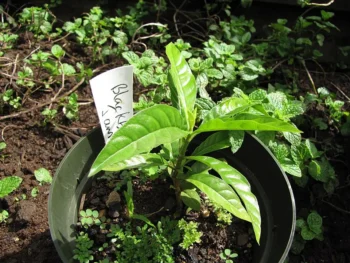
Jasmin de Rosa: A Tropical Shrub with Limited Growing Information
If you’ve stumbled across the name jasmin de rosa (Randia formosa) in your plant research, you’re likely curious about this somewhat mysterious tropical shrub. While the name suggests a connection to jasmine, this plant belongs to an entirely different family and comes with its own unique characteristics—though admittedly, detailed information about this specific species can be surprisingly hard to come by.
What is Jasmin de Rosa?
Jasmin de rosa, scientifically known as Randia formosa, is a perennial shrub that belongs to the coffee family (Rubiaceae). Like most shrubs, it’s a multi-stemmed woody plant that typically grows less than 13-16 feet tall, though it can potentially reach greater heights under the right conditions. You might also see it referenced by its botanical synonym, Mussaenda formosa.
Where Does It Grow?
Currently, jasmin de rosa can be found growing in Puerto Rico and the U.S. Virgin Islands, though it’s not native to these locations. Instead, it’s what botanists call a naturalized plant—meaning it was introduced from elsewhere but has established itself in the wild and reproduces without human intervention.
- Species observed
- No observations
Should You Plant Jasmin de Rosa?
Here’s where things get a bit tricky. While jasmin de rosa isn’t listed as invasive or particularly problematic, there’s surprisingly little detailed information available about its specific growing requirements, appearance, or garden performance. This makes it challenging to recommend with confidence.
Since it’s not native to the regions where it’s currently found, you might want to consider native alternatives that could provide similar benefits while supporting local ecosystems. Native plants are typically:
- Better adapted to local climate conditions
- More supportive of native wildlife and pollinators
- Often easier to maintain once established
- Less likely to become problematic in the landscape
Growing Information: What We Know (And Don’t Know)
Unfortunately, specific growing information for Randia formosa is quite limited in readily available sources. We know it’s a perennial shrub that has managed to establish itself in tropical Caribbean climates, which suggests it can handle warm, humid conditions. However, details about:
- Specific soil preferences
- Water requirements
- Sun/shade tolerance
- Flowering characteristics
- Propagation methods
- Potential pest or disease issues
…are not well-documented for this particular species.
The Bottom Line
While jasmin de rosa might sound intriguing, the lack of detailed growing information makes it a bit of a gamble for home gardeners. Unless you’re specifically interested in experimenting with lesser-known tropical plants and don’t mind some trial and error, you might be better served by choosing well-documented native alternatives.
If you do decide to try growing jasmin de rosa, approach it as you would other tropical shrubs—provide warm conditions, adequate moisture, and be prepared to observe and adjust your care based on how the plant responds. And as always, make sure any plant material you acquire is from a reputable source.
Remember, some of the most rewarding gardens are filled with native plants that have evolved alongside local wildlife and climate conditions. Consider exploring native shrubs from your area that might provide the tropical feel you’re after while supporting your local ecosystem.