Jasminum elongatum: The Himalayan Climbing Jasmine Worth Knowing
Meet Jasminum elongatum, a lesser-known member of the beloved jasmine family that’s been quietly charming gardeners who stumble upon it. While it might not have the household name recognition of its more famous cousins, this Himalayan native brings its own special blend of fragrance and beauty to the right garden setting.
What Exactly Is Jasminum elongatum?
Jasminum elongatum is a climbing jasmine species that hails from the mountainous regions of the Himalayas. You might also see it listed under its botanical synonyms Jasminum amplexicaule or Jasminum undulatum in older gardening references – just different names for the same delightful plant.
This particular jasmine doesn’t have a widely recognized common name, which tells you something about how specialized it is in the gardening world. It’s definitely more of a gardener’s gardener kind of plant – the type that makes fellow plant enthusiasts stop and ask, Ooh, what’s that lovely smell?
Where Does It Come From?
Jasminum elongatum is native to the Himalayan regions, particularly thriving in India, Nepal, and Bhutan. In its homeland, you’ll find it scrambling up rocky slopes and weaving through forest edges, making the most of dappled sunlight and well-draining mountain soils.
The Appeal: Why You Might Fall in Love
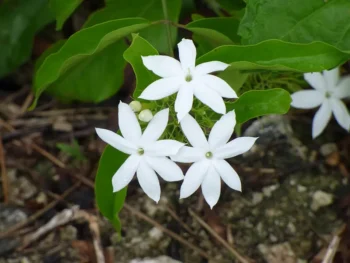
Here’s what makes this jasmine special: those gorgeously fragrant white flowers that seem to glow in the evening light. The blooms are tubular and emit their strongest perfume as the sun sets, making your garden a magical place for evening strolls. The glossy green foliage provides a lovely backdrop year-round in suitable climates, and the plant’s climbing habit means it can transform a boring wall or fence into something spectacular.
Garden Role and Design Ideas
Think of Jasminum elongatum as your secret weapon for vertical interest and evening ambiance. It works beautifully:
- Climbing up trellises or pergolas near outdoor seating areas
- Covering unsightly walls or fences
- As a fragrant backdrop in mixed borders
- In large containers with support structures (perfect for patios)
This jasmine is particularly suited for tropical and subtropical gardens, though it can work in conservatories or protected locations in slightly cooler areas.
Growing Conditions: What It Needs to Thrive
Jasminum elongatum isn’t particularly fussy, but it does have some preferences:
- Light: Partial shade to full sun (morning sun with afternoon shade is ideal)
- Soil: Well-draining soil that doesn’t get waterlogged
- Water: Regular moisture, especially during growing season
- Climate: USDA zones 9-11 (it’s definitely not frost-hardy)
Planting and Care Tips
Getting started with this jasmine is pretty straightforward, but here are some insider tips:
- Plant in spring after the last frost danger has passed
- Provide a sturdy support structure from day one – this plant wants to climb
- Mulch around the base to keep roots cool and retain moisture
- Prune lightly after flowering to maintain shape and encourage new growth
- In cooler zones, consider growing in containers so you can move it indoors during winter
Wildlife and Pollinator Benefits
The evening-fragrant flowers of Jasminum elongatum are particularly attractive to night-flying moths and other nocturnal pollinators. If you’re trying to create a garden that supports wildlife around the clock, this jasmine adds an important nighttime element that many gardens lack.
Should You Plant It?
Here’s the honest truth: if you live in zones 9-11 and love fragrant climbing plants, Jasminum elongatum could be a wonderful addition to your garden. It’s not invasive or aggressive, and it brings unique evening fragrance that’s hard to find elsewhere.
However, since it’s not native to most areas where it’s grown, you might want to consider native alternatives first. Look for native climbing vines or fragrant shrubs in your area that could provide similar benefits while supporting local ecosystems.
If you do decide to grow it, make sure you can provide the warm conditions it needs – there’s nothing sadder than a frost-damaged jasmine that never quite recovers.
The Bottom Line
Jasminum elongatum is one of those plants that rewards the adventurous gardener. It’s not going to be available at every garden center, and it won’t thrive everywhere, but in the right spot with the right care, it can become one of those special plants that makes your garden truly memorable. Just make sure you’re ready for the compliments – and the questions about what smells so amazing!