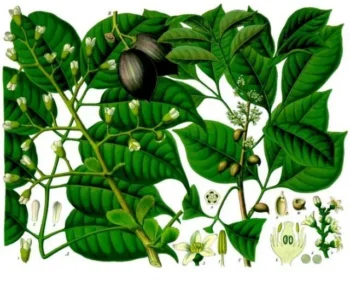
Java Almond: A Tropical Giant for Your Garden
If you’re dreaming of adding a majestic tropical tree to your landscape, the Java almond (Canarium indicum) might just catch your eye. This impressive tree, also known by its botanical name Canarium indicum, brings both beauty and bounty to the right garden setting. But before you start digging, let’s explore whether this tropical beauty is the right fit for your space.
What is Java Almond?
Java almond is a large tropical tree that belongs to the same family as frankincense and myrrh. Don’t let the name fool you – despite being called an almond, it’s not related to true almonds at all! This tree is native to Southeast Asia, particularly Indonesia and Malaysia, where it’s been cultivated for centuries for its edible nuts.
You might also see this tree listed under its synonym, Canarium commune, in some older gardening references.
Where Does Java Almond Grow?
In terms of its current distribution in the Pacific region, Java almond has established itself in Guam and Palau, where it reproduces naturally without human intervention. It’s considered a non-native species that has been introduced to these areas but tends to persist in the Pacific Basin, excluding Hawaii.
- Species observed
- No observations
Should You Plant Java Almond?
Here’s the thing about Java almond – it’s a bit of a commitment! This tree is definitely not for small gardens or impatient gardeners. If you’re considering adding one to your landscape, here are some factors to weigh:
The Good News
- Creates magnificent shade with its broad, spreading canopy
- Produces edible nuts that are quite tasty when roasted
- Attractive compound leaves add tropical flair
- Flowers provide nectar for various pollinators
- Can serve as a striking specimen tree in large landscapes
The Considerations
- Requires a lot of space – we’re talking 50+ feet in both height and spread
- Only suitable for USDA hardiness zones 10-12 (truly tropical climates)
- As a non-native species, it won’t support local wildlife as effectively as native alternatives
- Takes many years to mature and produce nuts
Growing Java Almond Successfully
If you’ve got the space and live in a tropical climate, Java almond can be a rewarding addition to your landscape. Here’s how to give it the best start:
Location and Conditions
- Choose a spot with full sun to partial shade
- Ensure excellent drainage – this tree doesn’t like wet feet
- Allow plenty of room for growth (think statement tree, not cozy corner)
- Protect from strong winds when young
Planting and Care
- Plant during the warm season when growth is most active
- Water regularly during establishment, then reduce frequency as the tree matures
- Apply organic mulch around the base, keeping it away from the trunk
- Minimal pruning needed – just remove dead or crossing branches
- Be patient – this tree grows at a moderate pace
Native Alternatives to Consider
While Java almond can be a beautiful addition to tropical gardens, you might also want to consider native alternatives that will better support your local ecosystem. Native trees provide crucial habitat and food sources for local wildlife, including birds, butterflies, and other beneficial insects.
Before planting Java almond, research what native shade trees are available in your specific region – you might discover some equally impressive options that come with the added bonus of supporting local biodiversity.
The Bottom Line
Java almond can be a stunning addition to large tropical landscapes, especially if you’re interested in creating an edible landscape or food forest. Just make sure you have the space, patience, and appropriate climate for this impressive tree. And remember – while it’s not considered invasive, choosing native species when possible is always a great way to support your local environment.
Whether you choose Java almond or explore native alternatives, the key is selecting the right tree for your specific space and gardening goals. Happy planting!