Jersey Cudweed: The Uninvited Garden Guest You Should Know About
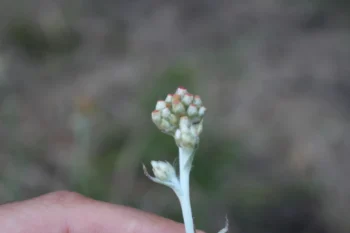
If you’ve ever noticed a small, woolly-looking plant with tiny yellowish-white flowers popping up in your garden beds or disturbed soil areas, you might be looking at Jersey cudweed (Pseudognaphalium luteoalbum). This unassuming little annual has a knack for showing up where you least expect it, and while it’s not exactly a garden showstopper, it’s worth understanding what it is and why it’s there.
What Exactly is Jersey Cudweed?
Jersey cudweed is an annual forb – basically a non-woody plant that completes its entire life cycle in one growing season. Originally from Europe and Asia, this little wanderer has made itself at home across much of the United States, establishing populations that persist year after year through self-seeding.
You might also see it listed under its former scientific name, Gnaphalium luteoalbum, if you’re digging through older gardening references or plant databases.
Where You’ll Find It Growing
Jersey cudweed has spread across numerous states, including Arizona, California, Florida, Georgia, Nevada, New Mexico, New York, Oregon, Texas, Utah, and Washington. It’s particularly fond of disturbed soils, agricultural areas, and places where the ground has been recently worked or cleared.
- Species observed
- No observations
Identifying Jersey Cudweed in Your Garden
This plant won’t win any beauty contests, but it has some distinctive features that make it relatively easy to identify:
- Soft, woolly gray-green to whitish foliage that feels fuzzy to the touch
- Small, clustered flower heads that are yellowish-white and not particularly showy
- Low-growing habit as an annual forb
- Tendency to appear in disturbed or poor soils
Growing Conditions and Habitat
Jersey cudweed is remarkably adaptable when it comes to moisture conditions. It has a facultative wetland status across most regions, meaning it can grow happily in both wet and dry conditions. In some western areas, it leans slightly more toward preferring moist conditions, but overall, it’s quite the generalist.
This adaptability is part of what makes it such a successful colonizer of disturbed areas – it doesn’t need perfect conditions to thrive.
Should You Grow Jersey Cudweed?
Here’s where things get interesting. While Jersey cudweed isn’t considered invasive or harmful, it’s also not particularly ornamental or beneficial to garden ecosystems. It offers limited value to pollinators and wildlife compared to native alternatives, and its appearance is more weedy than wildflower wonderful.
If Jersey cudweed has appeared in your garden on its own, you don’t need to panic – it’s not going to take over or cause ecological damage. However, there’s really no compelling reason to intentionally plant it either.
Better Native Alternatives
If you’re looking for plants that fill a similar ecological niche but offer more benefits to local wildlife and pollinators, consider these native options instead:
- Native cudweeds and everlastings in your region
- Local wildflowers adapted to disturbed soils
- Native annual flowers that provide better pollinator resources
Check with your local native plant society or extension office for specific recommendations based on your area.
Managing Jersey Cudweed
If you’d rather not have Jersey cudweed in your garden spaces, it’s relatively easy to manage since it’s an annual. Simply pull it up before it sets seed, and you’ll prevent next year’s crop. The woolly texture actually makes it fairly easy to spot and remove.
For a more long-term approach, improving soil conditions and establishing desirable plants can help crowd out opportunistic species like Jersey cudweed.
The Bottom Line
Jersey cudweed is one of those plants that exists in the gardening gray zone – not terrible, but not particularly wonderful either. While it won’t harm your garden ecosystem, it also won’t enhance it in any meaningful way. If it shows up uninvited, you can let it be or gently show it the door, depending on your garden goals and aesthetic preferences.
For gardeners interested in supporting local ecology and creating beautiful spaces, focusing on native plants that provide real benefits to pollinators and wildlife will give you much more bang for your gardening buck than this modest little immigrant.