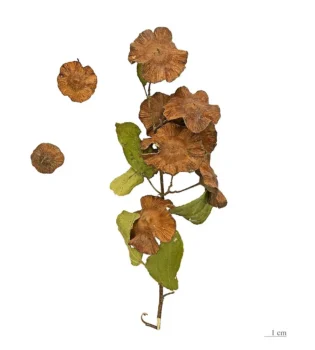
Jerusalem Thorn (Paliurus): A Thorny Decision for Your Garden
If you’re looking for a plant that’s equal parts beautiful and intimidating, Jerusalem thorn might just catch your eye. This spiny character has been making its way into American gardens, particularly in Texas, where it’s found a new home far from its Mediterranean origins.
What Is Jerusalem Thorn?
Jerusalem thorn (Paliurus) is a perennial tree or large shrub that typically grows 13-16 feet tall, though it can sometimes develop a shorter, multi-stemmed form depending on growing conditions. Don’t let the name fool you – this plant isn’t actually from Jerusalem, but rather hails from the Mediterranean region and parts of Asia.
As a non-native species, Jerusalem thorn has established itself in Texas, where it reproduces on its own without human intervention. While it’s not currently listed as invasive, it’s worth keeping an eye on this independent streak.
Where You’ll Find It
In the United States, Jerusalem thorn has made itself at home primarily in Texas. Its ability to thrive in challenging conditions has helped it establish populations in this state’s diverse landscapes.
- Species observed
- No observations
The Good, The Bad, and The Thorny
Why you might want it:
- Extremely drought tolerant once established
- Produces small, bright yellow flowers that attract pollinators
- Develops interesting winged seed pods for visual interest
- Excellent natural barrier or security plant due to its thorns
- Low maintenance requirements
- Thrives in poor soils where other plants struggle
Why you might think twice:
- Extremely thorny – not pet or child-friendly
- Non-native status means it doesn’t support local ecosystems as well as native alternatives
- Can be aggressive in spreading
- Requires regular pruning to maintain shape and safety
Growing Jerusalem Thorn Successfully
If you decide to give Jerusalem thorn a try, you’ll find it’s refreshingly low-maintenance. This tough customer thrives in USDA hardiness zones 7-10 and prefers full sun exposure with well-drained soil.
Planting tips:
- Choose a location away from foot traffic due to the thorns
- Ensure excellent drainage – this plant hates wet feet
- Plant in spring after the last frost
- Space adequately to account for mature size
Care requirements:
- Water regularly during the first year to establish roots
- Once established, supplemental watering is rarely needed
- Prune in late winter to maintain shape and remove dead wood
- Wear heavy gloves and protective clothing when handling
Consider Native Alternatives
While Jerusalem thorn has its merits, native plants offer better support for local wildlife and ecosystems. Consider these native alternatives that provide similar benefits:
- Texas Buckeye (Aesculus glabra var. arguta) for drought tolerance
- Agarito (Mahonia trifoliolata) for thorny barrier properties
- Mexican Buckeye (Ungnadia speciosa) for small tree form
The Bottom Line
Jerusalem thorn is a plant that demands respect – both for its formidable thorns and its ability to thrive in tough conditions. While it can serve specific purposes in the landscape, particularly as a natural barrier or in xeriscaping, its non-native status means it won’t provide the same ecological benefits as native alternatives.
If you choose to grow Jerusalem thorn, do so thoughtfully and maintain it responsibly. And remember – there’s often a native plant that can do the same job while supporting your local ecosystem. Sometimes the best garden decisions are the ones that give back to nature while still meeting your landscaping needs.