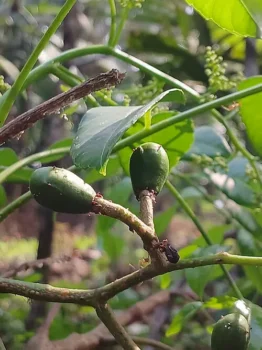
Jewish Plum: A Tropical Fruit Tree for Warm Climate Gardens
If you’re dreaming of growing your own tropical fruits, the Jewish plum (Spondias dulcis) might catch your eye. This perennial tree offers gardeners in the warmest climates a chance to harvest golden, tangy fruits right from their backyard. But before you plant one, let’s explore what makes this tree tick and whether it’s the right choice for your garden.
What Exactly is a Jewish Plum?
The Jewish plum, scientifically known as Spondias dulcis, is a medium-sized tropical tree that can grow over 13-16 feet tall under the right conditions. You might also see it listed under its synonym, Spondias cytherea. This perennial woody tree develops a single trunk and creates a pleasant canopy that provides moderate shade along with its fruit production.
Where Does It Come From?
Here’s something important to know upfront: Jewish plum isn’t native to the United States. This tree originally hails from Melanesia and Polynesia in the Pacific islands. In the U.S., it has naturalized in a few territories including Guam, Palau, and Puerto Rico, where it now reproduces on its own in the wild.
- Species observed
- No observations
The Appeal of Jewish Plum
So why might you want to grow this non-native tree? The main draw is definitely the fruit. Jewish plums produce golden-yellow, oval fruits with a sweet-tart flavor that many people find irresistible. The tree also offers:
- Attractive compound leaves that create dappled shade
- Small flowers that attract bees and other beneficial pollinators
- A tropical garden aesthetic
- Relatively manageable size for a fruit tree
Growing Conditions and Climate Needs
Let’s be honest – Jewish plum is a bit of a diva when it comes to climate. This tree only thrives in USDA hardiness zones 10-12, meaning it needs consistently warm temperatures year-round and cannot tolerate frost. If you live anywhere that gets even light freezes, this tree isn’t for you.
For those in the right climate zones, Jewish plum prefers:
- Full sun to partial shade
- Well-draining soil
- Regular watering, especially during dry periods
- Protection from strong winds
Planting and Care Tips
If you decide to grow Jewish plum, here are some key care considerations:
- Plant in spring when temperatures are consistently warm
- Provide regular water, but ensure good drainage to prevent root rot
- Fertilize during the growing season with balanced fertilizer
- Prune lightly to maintain shape and remove dead branches
- Be patient – young trees may take several years to produce fruit
Should You Plant Jewish Plum?
This is where things get a bit complicated. While Jewish plum isn’t currently listed as invasive, it is a non-native species that has naturalized in some U.S. territories. The tree has a somewhat unclear conservation status (listed as S3?, meaning undefined), so we don’t have complete information about its population trends.
If you’re set on growing tropical fruit trees, you might consider exploring native alternatives first. Many regions have indigenous fruit-bearing trees that provide similar benefits while supporting local ecosystems. However, if you’re in zones 10-12 and really want to try Jewish plum, it can be a rewarding addition to an edible landscape – just source your tree responsibly from reputable nurseries.
The Bottom Line
Jewish plum can be a delightful addition to tropical and subtropical gardens, offering both ornamental value and delicious fruit. Just remember that successful cultivation requires the right climate, consistent care, and an understanding that you’re growing a non-native species. Whether it’s right for your garden depends on your location, gardening goals, and commitment to providing the warm, stable conditions this tropical tree demands.