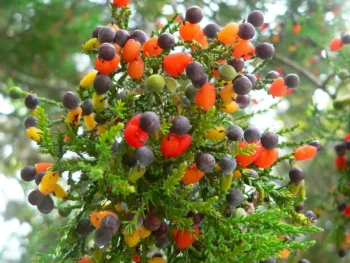
Kahika: The Majestic New Zealand White Pine for Large Landscapes
If you’re dreaming of adding a truly spectacular evergreen to your landscape, let me introduce you to kahika (Dacrycarpus dacrydioides). This magnificent New Zealand native, also known as White Pine, is a showstopper that can transform the right space into something truly magical. But before you fall head over heels for this beauty, let’s talk about whether it’s the right fit for your garden.
What Makes Kahika Special?
Kahika is a stunning evergreen conifer that brings a unique architectural presence to any landscape. With its distinctive drooping branchlets adorned with tiny, scale-like leaves, this tree creates an almost weeping effect that’s both elegant and dramatic. The foliage starts as a fresh green and matures to a deeper, richer tone that provides year-round interest.
You might also see this tree listed under its former scientific name, Podocarpus dacrydioides, but don’t let the name changes confuse you – it’s the same wonderful tree!
Where Does Kahika Call Home?
This beauty hails from New Zealand, where it’s found naturally across both the North and South Islands. In its native habitat, kahika thrives in lowland forests and can often be found near waterways and in areas with consistent moisture.
Size Matters: Is Your Space Big Enough?
Here’s where we need to have an honest conversation. Kahika isn’t your typical backyard tree – this giant can reach impressive heights of 60-90 feet with a spread of 20-30 feet. That’s bigger than most houses! This tree is definitely not suitable for small residential gardens or tight urban spaces.
However, if you have a large property, acreage, or are designing a park or botanical garden, kahika can be an absolutely stunning specimen tree or windbreak.
Garden Design and Landscape Role
In the right setting, kahika serves several important functions:
- Dramatic focal point or specimen tree
- Effective windbreak or privacy screen
- Structural element in large landscape designs
- Beautiful backdrop for smaller plantings
Growing Conditions and Care
Kahika is relatively easy-going once established, but it does have some preferences:
Climate Requirements: This tree thrives in USDA hardiness zones 8-10, preferring mild, temperate climates with adequate rainfall.
Soil Needs: Kahika appreciates moist, well-draining soil and can tolerate a range of soil types. It particularly enjoys sites with consistent moisture but won’t tolerate waterlogged conditions.
Light Requirements: Full sun to partial shade works well, though full sun will promote the best growth and form.
Planting and Care Tips
If you’ve decided kahika is right for your large landscape, here’s how to give it the best start:
- Choose your location carefully – remember, this tree will be there for generations
- Plant in spring or fall when temperatures are moderate
- Water regularly during the first few years while the tree establishes
- Mulch around the base to retain moisture and suppress weeds
- Minimal pruning is needed – just remove any damaged or crossing branches
Wildlife and Ecosystem Benefits
While kahika is wind-pollinated (so it won’t attract bees and butterflies like flowering plants), it does provide valuable habitat for birds and other wildlife, particularly in its native New Zealand.
Should You Plant Kahika?
The answer depends entirely on your situation:
Plant kahika if: You have a large property, live in zones 8-10, want a dramatic evergreen specimen, and are committed to long-term landscape planning.
Consider alternatives if: You have a small garden, live outside its hardiness zones, or prefer native species to your region. For those in North America, consider native conifers like Eastern White Pine (Pinus strobus) or Western Red Cedar (Thuja plicata) depending on your location.
The Bottom Line
Kahika is undoubtedly a magnificent tree that can create a stunning centerpiece in the right landscape. Its graceful form and year-round beauty make it a worthy investment for those with the space and climate to support it. Just remember – this is a tree that thinks big, so make sure your vision matches its ambitions!
If you’re outside of New Zealand and considering planting kahika, I’d also encourage you to explore native evergreen options for your area. Supporting local ecosystems while creating beautiful landscapes is always a win-win approach to gardening.