Kalimeris mongolica: A Hardy Daisy from the Mongolian Steppes
If you’re searching for a resilient, low-maintenance perennial that can handle tough growing conditions, Kalimeris mongolica might just be the hidden gem your garden needs. This lesser-known member of the aster family brings a touch of the wild Mongolian steppes to your landscape, though it’s not a plant you’ll find at every garden center.
What Exactly Is Kalimeris mongolica?
Kalimeris mongolica is a hardy perennial that produces charming daisy-like flowers in late summer through fall. You might also see it listed under its botanical synonym, Aster mongolicus, in older gardening references. While it doesn’t have a widely recognized common name in English, this unassuming plant has been quietly thriving in some of the world’s harshest climates for centuries.
Where Does It Come From?
This tough little plant calls the steppes and grasslands of Mongolia, northern China, and parts of Siberia home. It’s perfectly adapted to the extreme temperature swings and challenging growing conditions of these regions, which gives you a hint about just how resilient it can be in your garden.
What Does It Look Like?
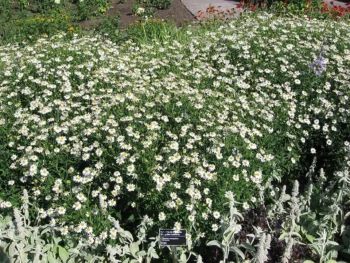
Don’t expect showstopping blooms with this one – Kalimeris mongolica is more about subtle charm than dramatic flair. The flowers are small and daisy-like, typically appearing in white or pale purple hues. They bloom from late summer into fall, providing color when many other perennials are winding down for the season. The overall appearance is naturalistic and somewhat wild-looking, making it perfect for gardeners who prefer a more relaxed aesthetic.
Should You Plant It?
Here’s where things get interesting. Since Kalimeris mongolica isn’t native to North America, you might wonder whether it belongs in your garden. The good news is that it’s not currently listed as invasive or noxious, so you don’t need to worry about it taking over your neighborhood. However, if you’re committed to native-only gardening, you might want to consider native alternatives like New England asters or aromatic asters instead.
That said, this plant does offer some compelling benefits:
- Extremely hardy and drought-tolerant once established
- Provides late-season nectar for pollinators when other flowers are fading
- Requires minimal maintenance
- Thrives in challenging conditions where other plants struggle
Perfect Garden Spots
Kalimeris mongolica isn’t meant for formal flower borders or high-maintenance garden beds. Instead, it shines in:
- Rock gardens and xerophytic landscapes
- Naturalized meadow areas
- Edges of woodland gardens
- Areas with poor or challenging soil conditions
- Low-water or drought-tolerant garden designs
Growing Conditions and Care
The beauty of Kalimeris mongolica lies in its simplicity. This plant thrives in USDA hardiness zones 3 through 8, making it suitable for most of the continental United States. It prefers full sun to partial shade and well-drained soils, though it’s not particularly fussy about soil quality – in fact, it often performs better in lean soils than in rich, fertile ones.
Once established, it’s remarkably drought-tolerant, making it an excellent choice for water-wise gardening. The plant may self-seed in favorable conditions, so keep an eye on it if you prefer more controlled spreading.
Planting and Maintenance Tips
Getting started with Kalimeris mongolica is refreshingly straightforward:
- Plant in spring after the last frost date
- Space plants about 12-18 inches apart
- Water regularly during the first growing season to help establish roots
- After that, supplemental watering is rarely needed except during severe drought
- Cut back spent flowers if you want to prevent self-seeding
- In late fall or early spring, cut the entire plant back to ground level
Wildlife and Pollinator Benefits
While Kalimeris mongolica may not be native to North America, it does provide valuable late-season nectar for bees, butterflies, and other pollinators when many native plants have finished blooming. This timing can be particularly valuable for pollinators preparing for winter or migration.
The Bottom Line
Kalimeris mongolica won’t win any beauty contests, but it offers something perhaps more valuable: reliability. If you’re looking for a plant that can handle neglect, poor soil, drought conditions, and still produce flowers when many other plants have given up, this Mongolian native might be worth considering. Just remember that supporting native plants should be your first priority, but there’s room in most gardens for a few well-behaved international guests – especially ones that ask for so little and give back to pollinators in return.