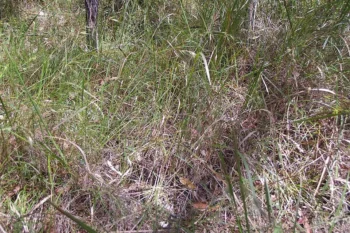
Kangaroo Grass (Themeda): A Non-Native Ornamental Grass for Warm Climates
If you’ve been searching for an ornamental grass that brings texture and movement to your landscape, you might have come across kangaroo grass, scientifically known as Themeda. This distinctive grass genus has found its way into various regions across the United States, though it’s not originally from here. Let’s explore what makes this grass tick and whether it deserves a spot in your garden.
What Exactly is Kangaroo Grass?
Kangaroo grass is a graminoid – that’s garden-speak for grass or grass-like plants. It can be both annual and perennial depending on the species, forming tufted clumps that add vertical interest to landscapes. Originally hailing from regions in Africa, Asia, and Australia, this grass has adapted to life in warmer parts of the United States.
Where You’ll Find It Growing
Currently, kangaroo grass has established itself across several states including California, Florida, Hawaii, Kansas, Louisiana, Maryland, Texas, Virginia, and Puerto Rico. It’s considered a non-native species that reproduces on its own in the wild without human intervention, which means it’s quite the survivor once it gets going.
- Species observed
- No observations
The Good, The Bad, and The Grassy
Here’s the straight scoop on kangaroo grass: it’s not native to North America, but it’s also not currently flagged as invasive or noxious in most areas. This puts it in a neutral zone for gardeners. While it can add ornamental value with its feathery seed heads and textural appeal, you might want to consider native grass alternatives first.
Growing Kangaroo Grass Successfully
If you decide to give kangaroo grass a try, here’s what it typically needs to thrive:
- Sunlight: Full sun exposure works best
- Soil: Well-draining soil is essential
- Water: Generally drought tolerant once established
- Climate: Thrives in USDA zones 8-11, preferring warmer climates
- Maintenance: Relatively low maintenance once established
Landscape Role and Design Ideas
Kangaroo grass works well in naturalized areas where you want to create texture and movement. Its tufted growth habit makes it suitable for:
- Prairie-style gardens
- Xeriscaping projects
- Ornamental grass borders
- Erosion control on slopes
Wildlife and Pollinator Considerations
As a wind-pollinated grass, kangaroo grass doesn’t offer much direct benefit to pollinators like bees and butterflies. However, it may provide some habitat and nesting material for birds and small wildlife.
Should You Plant It?
The decision to plant kangaroo grass really depends on your gardening philosophy and local conditions. While it’s not causing major ecological havoc, native grasses will always be a better choice for supporting local ecosystems. Consider exploring native warm-season grasses like little bluestem, buffalo grass, or regional prairie grasses that can provide similar aesthetic benefits while supporting local wildlife.
If you do choose to plant kangaroo grass, keep an eye on its spreading habits and be prepared to manage it responsibly. Remember, the best gardens work with nature rather than against it, so native plants should always be your first choice when possible.