Kangaroo Grass: A Hardy Non-Native Ornamental for Warm Climates
If you’re looking for a tough, drought-tolerant grass that can handle challenging conditions, you might have come across kangaroo grass (Themeda triandra). This perennial grass has made its way into American gardens, particularly in warmer regions, though it’s worth understanding both its benefits and its background before deciding if it’s right for your landscape.
What is Kangaroo Grass?
Kangaroo grass, scientifically known as Themeda triandra, goes by several common names including red grass and red-oat grass. As a non-native perennial grass, it has established itself in parts of the United States, particularly in Texas, where it reproduces naturally without human intervention.
This tussock-forming grass belongs to the large family of grasses and grass-like plants, creating attractive clumps that can add texture and movement to your garden. Originally from Africa, Asia, and Australia, kangaroo grass has adapted well to warm climates in the United States.
Where Does Kangaroo Grass Grow?
In the United States, kangaroo grass has been documented growing in Texas. As a non-native species that has naturalized, it thrives in warm climates and is best suited for USDA hardiness zones 8-11.
- Species observed
- No observations
Why Consider (or Not Consider) Kangaroo Grass?
There are several reasons why gardeners might find kangaroo grass appealing:
- Exceptional drought tolerance once established
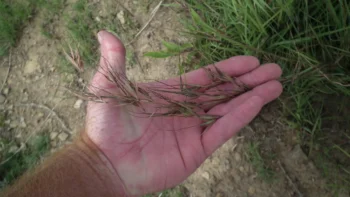
- Attractive reddish-brown seed heads that add visual interest
- Beautiful bronze to red autumn coloration
- Low maintenance requirements
- Useful for erosion control on slopes
However, since this is a non-native species, you might want to consider native alternatives first. Native grasses provide better support for local wildlife and are naturally adapted to your region’s conditions. Some excellent native grass alternatives include little bluestem, buffalo grass, or other regional native species that can provide similar drought tolerance and ornamental value.
Growing Kangaroo Grass Successfully
If you decide to grow kangaroo grass, you’ll find it’s remarkably easy to care for:
Ideal Growing Conditions
- Sunlight: Full sun for best growth and coloration
- Soil: Well-drained soils; tolerates poor soils well
- Water: Drought tolerant once established; minimal watering needed
- Climate: Thrives in warm climates (zones 8-11)
Planting and Care Tips
Getting started with kangaroo grass is straightforward. Plant in spring after the last frost, giving each clump plenty of space to spread. The grass forms attractive tussocks that will gradually expand over time.
Once established, kangaroo grass requires minimal care. Water regularly during the first growing season to help establish roots, then reduce watering as the plant becomes drought tolerant. The grass may self-seed readily, so keep an eye on spreading if you prefer to keep it contained to specific areas.
Landscape Uses
Kangaroo grass works well in several landscape situations:
- Drought-tolerant garden beds
- Naturalized areas and meadow gardens
- Erosion control on slopes
- Low-maintenance landscape areas
The grass adds texture and movement to garden designs, and its seasonal color changes provide year-round interest.
The Bottom Line
Kangaroo grass offers an easy-care option for gardeners in warm climates who need a drought-tolerant grass. While it can be a useful addition to certain landscape situations, remember that choosing native plants first helps support local ecosystems and wildlife. If you do decide to grow kangaroo grass, monitor its spread to ensure it doesn’t become problematic in your garden or surrounding natural areas.
Before planting any non-native species, check with your local extension office about current recommendations for your specific area, as plant status and recommendations can change over time.