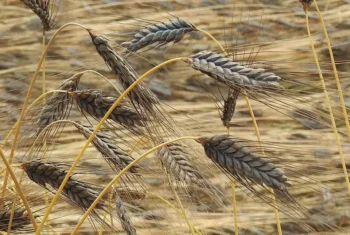
Karamyschev’s Wheat: An Elusive Member of the Wheat Family
If you’ve stumbled across the name Karamyschev’s wheat (Triticum karamyschevii), you’ve encountered one of botany’s more mysterious characters. This obscure member of the wheat family has left plant enthusiasts scratching their heads, as reliable information about this species is surprisingly scarce.
What We Know (And Don’t Know)
Karamyschev’s wheat belongs to the grass family, like all wheats, and shares the botanical classification with other graminoid plants. It’s also known by the synonym Triticum palaeocolchicum Menabde, which might give you a clue about its possible geographic connections – though even this remains unclear.
Here’s where things get tricky: despite its official botanical name, comprehensive information about Triticum karamyschevii is extremely limited in accessible botanical literature. This could mean several things:
- It may be an extinct or nearly extinct species
- It could be limited to a very specific geographic region with minimal botanical study
- It might exist primarily in historical botanical collections rather than active cultivation
The Geographic Mystery
Unfortunately, the exact native range and geographic distribution of Karamyschev’s wheat remain unknown in readily available sources. The synonym referencing palaeocolchicum might suggest historical connections to the Colchis region (modern-day Georgia and surrounding areas), but this requires further botanical verification.
Should You Try to Grow It?
Here’s the honest truth: finding Karamyschev’s wheat for your garden would be like searching for a botanical unicorn. With so little information available about its growing requirements, hardiness zones, or even current availability, this isn’t a plant you’re likely to encounter at your local nursery – or probably anywhere else, for that matter.
If you’re interested in growing wheat species in your garden, consider these better-documented alternatives:
- Common wheat varieties suitable for home cultivation
- Ancient wheat species like emmer or einkorn
- Ornamental grasses that provide similar aesthetic appeal
The Takeaway
Karamyschev’s wheat serves as a reminder that the botanical world still holds mysteries. While we can’t provide growing tips or garden design advice for this elusive species, its very existence (however unclear) highlights the incredible diversity within plant families – and sometimes, the gaps in our collective botanical knowledge.
If you’re a serious botanical researcher or have access to specialized germplasm collections, you might have better luck tracking down information about this wheat. For the rest of us backyard gardeners, it remains one of those fascinating footnotes in the vast catalog of plant species.