Growing Kava (Piper methysticum): A Tropical Plant with Cultural Significance
If you’ve ever been curious about growing plants with deep cultural roots, you might have encountered kava. This perennial shrub has been making waves in specialty gardens, though it’s definitely not your typical backyard plant. Let’s dive into what makes this Pacific island native special and whether it might have a place in your garden.
What is Kava?
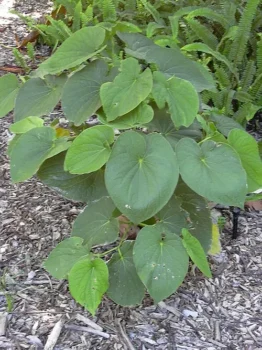
Kava, scientifically known as Piper methysticum, is a woody perennial shrub that typically grows 3 feet tall but can reach up to 12 feet under ideal conditions. This multi-stemmed plant produces large, heart-shaped green leaves with a coarse texture that creates a distinctly tropical appearance. While it does produce small yellow flowers, they’re not particularly showy – this isn’t a plant you’d grow for its blooms.
Native Status and Geographic Distribution
Here’s where things get interesting from a native gardening perspective. Kava is not native to North America – it originally comes from Pacific islands like Vanuatu, Fiji, and Samoa. However, it has established itself in Hawaii, Guam, and Palau, where it reproduces spontaneously in the wild. In Hawaii, it’s considered a facultative wetland plant, meaning it can thrive in both wetland and non-wetland conditions.
- Species observed
- No observations
Should You Grow Kava in Your Garden?
The answer depends on your location, interests, and gardening goals. Kava is primarily grown for cultural and ceremonial purposes rather than ornamental value. If you’re passionate about ethnobotanical gardening or have a connection to Pacific island cultures, it might be a meaningful addition to your collection.
However, since kava isn’t native to most areas where it’s grown, consider these factors:
- It won’t provide the same ecological benefits as native plants
- It requires very specific tropical conditions (USDA zones 10-12)
- It’s not particularly ornamental compared to native alternatives
- Wildlife benefits are unknown
Native Alternatives to Consider
If you’re drawn to kava’s tropical appearance but want to support local ecosystems, consider native plants with similar large-leafed, shrubby characteristics suited to your region. Native plants will better support local pollinators and wildlife while requiring less intensive care.
Growing Conditions for Kava
If you do decide to grow kava, be prepared for some specific requirements. This plant is quite particular about its environment:
- Climate: Needs frost-free conditions year-round (minimum 365 frost-free days)
- Temperature: Cannot tolerate temperatures below 40°F
- Soil: Prefers well-draining soil with high fertility requirements
- pH: Tolerates a wide range from 3.5 to 7.3
- Water: Low drought tolerance, needs consistent moisture (60-250 inches annual precipitation)
- Light: Intermediate shade tolerance
Planting and Care Tips
Kava doesn’t grow from seed – instead, it’s propagated through vegetative methods:
- Root cuttings are the most common propagation method
- Corms, tubers, and sprigs can also be used
- Plant spacing should be 320-1,280 plants per acre
- Ensure roots can penetrate at least 24 inches deep
- Provide consistent moisture without waterlogging
- Apply regular fertilization due to high fertility requirements
Important Considerations
Before adding kava to your garden, keep in mind that this plant has moderate toxicity levels. It’s not recommended for gardens where children or pets might have access to the plants. Additionally, kava has a relatively short lifespan and low tolerance for hedging or heavy pruning.
The Bottom Line
Kava is a fascinating plant with deep cultural significance, but it’s not the easiest or most beneficial choice for most gardens. If you’re in a tropical climate and interested in ethnobotanical gardening, it could be a worthwhile specialty addition. However, for most gardeners, especially those committed to supporting native ecosystems, there are likely better options that will provide more ornamental value and ecological benefits with less intensive care requirements.
Whatever you decide, remember that the best garden is one that reflects your interests while working harmoniously with your local environment!