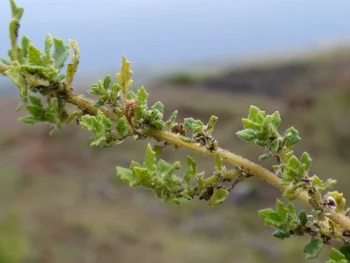
Keeled Wormseed: What Gardeners Should Know About This Non-Native Annual
If you’ve ever wondered about that scraggly little plant popping up in disturbed areas across the southeastern United States, you might be looking at keeled wormseed (Dysphania carinata). This non-native annual has quietly established itself in parts of Alabama, Arkansas, and Texas, but is it something you’d actually want in your garden? Let’s dig into the details.
What is Keeled Wormseed?
Keeled wormseed is an annual forb—basically a non-woody plant that completes its entire life cycle in one growing season. Originally hailing from Australia, this plant has found its way to American soil and now reproduces on its own in the wild. You might also see it referred to by its former scientific name, Chenopodium carinatum, in older gardening resources.
As a member of the amaranth family, keeled wormseed typically grows 1-3 feet tall and spreads about 1-2 feet wide. It’s a fast-growing plant that doesn’t ask for much—which can be both a blessing and a curse, depending on your perspective.
Where Does It Grow?
Currently, keeled wormseed has established populations in Alabama, Arkansas, and Texas. It thrives in USDA hardiness zones 8-10, where the climate suits its Australian origins. The plant seems particularly fond of disturbed areas, roadsides, and waste places—basically anywhere the soil has been turned up and other plants haven’t fully taken hold.
- Species observed
- No observations
What Does It Look Like?
Don’t expect to be wowed by keeled wormseed’s ornamental qualities. This plant is more function than form, featuring:
- Narrow, somewhat succulent-looking leaves
- Tiny greenish flowers clustered together in dense arrangements
- An overall weedy appearance that blends into the background
- A somewhat sprawling growth habit
The flowers are wind-pollinated and so small they’re easily overlooked. If you’re hoping to attract butterflies or bees, this isn’t your plant.
Should You Plant Keeled Wormseed?
Here’s where things get interesting. While keeled wormseed isn’t currently listed as invasive or noxious, it’s also not going to win any beauty contests in your garden. This plant offers minimal ornamental value and provides little benefit to local wildlife or pollinators.
The growing conditions keeled wormseed prefers—poor soils, drought, full sun, and general neglect—suggest it’s more of a survivor than a garden star. It’s the plant equivalent of that friend who shows up uninvited but doesn’t cause any real trouble.
Growing Conditions and Care
If keeled wormseed does appear in your garden (and it might, whether you invite it or not), here’s what it likes:
- Sunlight: Full sun preferred
- Soil: Tolerates poor, disturbed soils
- Water: Drought tolerant once established
- Maintenance: Essentially none—it’s quite self-sufficient
The plant self-seeds readily, so if you don’t want it spreading, you’ll want to remove it before it sets seed in late summer or fall.
Better Native Alternatives
Instead of relying on this non-native volunteer, consider these gorgeous native alternatives that will actually benefit your local ecosystem:
- Wild bergamot (Monarda fistulosa): A pollinator magnet with fragrant foliage
- Lance-leaved coreopsis (Coreopsis lanceolata): Bright yellow flowers that bloom for months
- Purple coneflower (Echinacea purpurea): Beautiful blooms that birds love for their seeds
- Partridge pea (Chamaecrista fasciculata): Delicate yellow flowers and interesting seed pods
The Bottom Line
Keeled wormseed is one of those plants that exists in the meh category—it’s not particularly harmful, but it’s not particularly helpful either. While it won’t actively damage your garden ecosystem, it also won’t contribute much to it. If you’re looking to create habitat for wildlife, support pollinators, or simply enjoy beautiful flowers, you’ll be much better served by choosing native plants that have co-evolved with your local environment.
Think of keeled wormseed as nature’s placeholder—it’ll hold down the soil until something better comes along. And with so many spectacular native options available, why not plant something better yourself?