Khat (Catha edulis): A Controversial Plant with Garden Potential
If you’ve stumbled across the name khat in your plant research, you might be wondering whether this evergreen shrub belongs in your garden. Catha edulis, commonly known as khat, is a fascinating but complex plant that raises both horticultural and legal questions for North American gardeners.
What Is Khat?
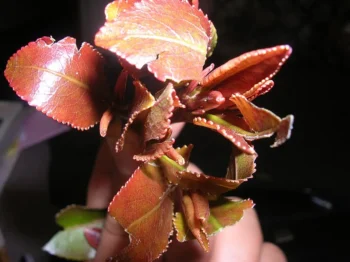
Khat is a slow-growing evergreen shrub that can reach 6-10 feet tall and 4-6 feet wide when mature. Its glossy, serrated leaves and compact growth habit give it an attractive appearance that could work well in Mediterranean-style landscapes. The plant produces small, inconspicuous white flowers that bloom in clusters, followed by small capsule fruits.
Where Does Khat Come From?
This shrub is native to the Horn of Africa and the Arabian Peninsula, including countries like Ethiopia, Kenya, Somalia, and Yemen. In these regions, it has been cultivated for centuries and plays a significant cultural role.
The Legal Reality: Why Most Gardeners Should Skip Khat
Here’s where things get complicated. Khat contains cathinone, a naturally occurring stimulant that’s classified as a controlled substance in the United States and many other countries. While the plant itself might seem like an interesting addition to a drought-tolerant garden, growing it could put you in legal jeopardy.
The DEA classifies cathinone as a Schedule I controlled substance, making cultivation of khat potentially illegal in most areas. Even if you’re only interested in the plant for its ornamental value, the legal risks simply aren’t worth it for home gardeners.
Growing Conditions (If Legal in Your Area)
For those in regions where khat cultivation might be permitted, the plant prefers:
- Full sun to partial shade
- Well-draining soil
- USDA hardiness zones 9-11
- Minimal water once established (drought tolerant)
- Protection from frost
Wildlife and Pollinator Benefits
The small white flowers of khat do attract bees and other small pollinators when they bloom. However, given the legal concerns, there are much better native options for supporting local wildlife.
Better Native Alternatives
Instead of risking legal issues with khat, consider these native alternatives that offer similar aesthetic appeal:
- Ceanothus species (California lilac) – Drought-tolerant shrubs with beautiful flower clusters
- Arctostaphylos species (Manzanita) – Evergreen shrubs with glossy leaves and attractive bark
- Rhus species (Sumac) – Native shrubs that provide excellent wildlife habitat
The Bottom Line
While Catha edulis might have ornamental potential in theory, the legal complications surrounding its cultivation make it unsuitable for most North American gardens. The risks simply outweigh any aesthetic benefits, especially when there are so many beautiful native alternatives available that will support local ecosystems without legal concerns.
If you’re drawn to drought-tolerant, evergreen shrubs, stick with native options that will provide beauty, support wildlife, and keep you on the right side of the law. Your garden—and your peace of mind—will thank you for it.