Kiawe: The Thorny Truth About This Problematic Plant
If you’ve spent time in Hawaii or other Pacific islands, you’ve likely encountered kiawe (Prosopis pallida) – and probably not in a pleasant way. This thorny shrub, also known as algaroba mosquite, might seem like an attractive drought-tolerant option for your landscape, but there’s a compelling reason why you should steer clear of this particular plant.
What is Kiawe?
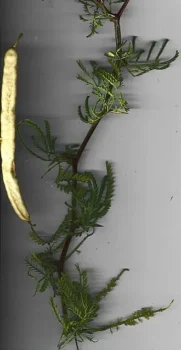
Kiawe is a perennial shrub that typically grows as a multi-stemmed woody plant reaching 13 to 16 feet in height, though it can grow taller under certain conditions. Originally native to Peru and Ecuador, this legume family member has delicate, feathery compound leaves and produces small clusters of yellow flowers followed by long seed pods. Don’t let its attractive appearance fool you – those branches are armed with serious thorns that can puncture even thick-soled shoes!
Where You’ll Find It (Unfortunately)
Kiawe has established itself across several U.S. territories and states, including Hawaii, Guam, Puerto Rico, the U.S. Virgin Islands, and various U.S. Minor Outlying Islands. In all these locations, it’s considered a non-native species that reproduces readily in the wild without any human assistance.
- Species observed
- No observations
Why You Should Avoid Planting Kiawe
Here’s the bottom line: Don’t plant kiawe. This species is classified as a noxious weed in the United States, meaning it’s legally recognized as harmful to agriculture, ecosystems, or human health. Here’s why it’s problematic:
- Extremely invasive nature that crowds out native plants
- Dangerous thorns that can injure people and animals
- Difficult to control once established
- Forms dense thickets that alter natural habitats
- Listed as a noxious weed, making cultivation legally questionable in many areas
Growing Conditions (For Identification Purposes Only)
Understanding where kiawe thrives can help you identify and avoid it. This hardy plant is incredibly drought-tolerant and prefers:
- Full sun exposure
- Sandy or well-draining soils
- Low water conditions
- USDA hardiness zones 9-11
- Both wetland and upland areas (facultative wetland status)
Better Native Alternatives
Instead of risking the problems that come with kiawe, consider these native alternatives that can provide similar drought tolerance and aesthetic appeal:
- For Hawaii: Native wiliwili (Erythrina sandwicensis) or native hibiscus species
- For Puerto Rico: Native flamboyan or coralbean species
- For coastal areas: Research local native salt-tolerant shrubs
What About Wildlife Benefits?
While kiawe flowers do attract bees and other pollinators, the negative impacts on native ecosystems far outweigh any potential benefits. Native plants will always provide better, more sustainable support for local wildlife while maintaining ecological balance.
The Takeaway
Sometimes the most responsible thing a gardener can do is say no to a particular plant, even if it seems attractive or low-maintenance. Kiawe falls squarely into this category. Its status as a noxious weed isn’t just bureaucratic red tape – it’s a warning based on real ecological damage.
Stick with native plants that will give you beauty without the thorny complications (literally and figuratively) that come with invasive species. Your local ecosystem – and your bare feet – will thank you!