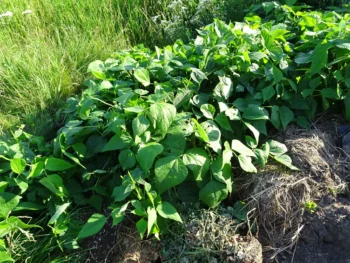
Kidney Bean: The Humble Garden Staple You Might Be Overlooking
If you’ve ever wondered about that trusty climbing plant producing those satisfying pods in vegetable gardens across America, meet the kidney bean (Phaseolus vulgaris). Also known as the common bean, this annual herb has been feeding families and adding vertical interest to gardens for generations, though it’s not originally from around these parts.
Not From Here, But Here to Stay
Let’s get one thing straight from the start: kidney beans aren’t native to North America. This vigorous annual originally hails from Central and South America, where it evolved in the warm climates of Mexico, Guatemala, and Peru. However, Phaseolus vulgaris has made itself quite at home across much of the United States, now growing wild and reproducing without human help in 25 states and several U.S. territories, from Connecticut to Wyoming, and from Florida to Montana.
- Species observed
- No observations
What Makes Kidney Beans Special?
As a forb herb, kidney beans are vascular plants without significant woody tissue – think soft, green, and leafy rather than woody and permanent. These annuals complete their entire life cycle in one growing season, making them perfect for gardeners who like to switch things up each year.
The plant’s growth habit is wonderfully versatile. Some varieties climb enthusiastically up trellises and poles, while others stay compact and bushy. Either way, you’ll be treated to small, charming flowers in white, pink, or purple that eventually give way to the familiar bean pods we all know and love.
Garden Design and Aesthetic Appeal
Don’t let their humble reputation fool you – kidney beans can be surprisingly attractive in the landscape. Here’s what they bring to the table:
- Lush, green foliage that creates natural screens when grown on trellises
- Delicate flowers that add subtle color throughout the growing season
- Interesting pod development that provides visual interest as they mature
- Excellent for edible landscaping and kitchen garden designs
- Perfect for vertical gardening in small spaces
Growing Conditions and Care
Kidney beans are fairly easygoing once you understand their basic needs. They thrive in full sun and prefer well-drained soil that doesn’t stay soggy. Since they’re warm-season annuals, you can grow them in USDA hardiness zones 3-10, though they’re always treated as annuals regardless of zone.
Here are the key growing tips for success:
- Timing: Wait until after the last frost to plant – these tropical natives hate cold soil
- Support: Provide sturdy trellises or poles for climbing varieties
- Watering: Keep soil consistently moist but not waterlogged
- Spacing: Give them room to breathe – overcrowding leads to disease issues
- Companion planting: They play well with corn, squash, and many herbs
Benefits for Pollinators and Wildlife
While kidney beans may not be native, their flowers do provide nectar for bees and other small pollinators during their blooming period. However, since they’re not native species, they don’t support the complex web of native insects and wildlife that evolved alongside indigenous plants.
Should You Grow Kidney Beans?
The choice is yours! Kidney beans aren’t invasive or harmful to local ecosystems, so there’s no environmental reason to avoid them. They’re excellent for:
- Beginner gardeners looking for reliable, productive plants
- Edible landscaping projects
- Small-space and container gardening
- Teaching kids about plant life cycles
However, if you’re passionate about supporting native ecosystems, consider complementing your kidney beans with native alternatives like wild ginger (Asarum canadense) for groundcover, or native climbing plants like American bittersweet (Celastrus scandens) for vertical interest.
The Bottom Line
Kidney beans are garden workhorses – reliable, productive, and surprisingly pretty in their own understated way. While they won’t win any awards for supporting native wildlife, they certainly won’t cause harm either. Whether you’re growing them for the dinner table, the aesthetic appeal, or simply because you enjoy nurturing something from seed to harvest, kidney beans can be a delightful addition to your garden palette.
Just remember: gardening is about balance. Mix in some native plants alongside your kidney beans, and you’ll have the best of both worlds – productivity and ecological responsibility, all wrapped up in one beautiful landscape.