Kikuyugrass: Why This African Import Might Not Be Right for Your Garden
If you’ve heard about kikuyugrass (Pennisetum clandestinum) as a drought-tolerant ground cover option, you might want to pump the brakes before adding it to your shopping list. While this perennial grass from East Africa has some appealing qualities, it comes with some serious baggage that every responsible gardener should know about.
What Exactly Is Kikuyugrass?
Kikuyugrass is a dense, mat-forming perennial grass that originally called the highlands of Kenya, Tanzania, and Uganda home. Also known scientifically as Cenchrus clandestinus, this vigorous graminoid has made itself quite comfortable in warmer regions far from its African origins.
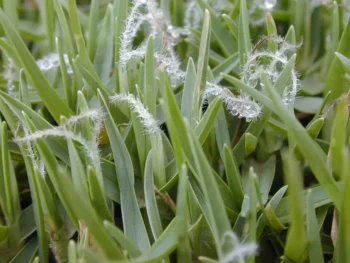
The grass forms thick, low-growing carpets with fine-textured, bright green foliage that stays relatively short. It spreads through both underground rhizomes and above-ground stolons, creating dense mats that can crowd out other vegetation.
Where You’ll Find It Growing
In the United States, kikuyugrass has established populations in California, Hawaii, Puerto Rico, and the U.S. Virgin Islands. It thrives in USDA hardiness zones 9-11, preferring the warm, Mediterranean-like climates of these regions.
- Species observed
- No observations
The Red Flags You Need to Know
Here’s where things get complicated: kikuyugrass is officially listed as a noxious weed in the United States. This isn’t just bureaucratic paperwork – it’s a warning that this plant can cause real problems in natural ecosystems.
As a non-native species that reproduces spontaneously in the wild, kikuyugrass has earned a reputation for being aggressively invasive. It can quickly dominate native plant communities, reducing biodiversity and altering habitat for local wildlife.
Growing Conditions and Characteristics
If you’re wondering why kikuyugrass has been so successful at establishing itself, its growing requirements tell the story:
- Thrives in full sun to partial shade
- Extremely drought tolerant once established
- Adapts to various soil types
- Spreads rapidly through underground and surface runners
- Forms dense mats that suppress other vegetation
The grass has different wetland tolerances depending on the region, generally preferring upland areas but occasionally tolerating wetland edges in some climates.
Wildlife and Pollinator Considerations
Like most grasses, kikuyugrass offers limited benefits to pollinators since it’s wind-pollinated and doesn’t produce the nectar or abundant pollen that bees and butterflies need. When it displaces native plants, it can actually reduce food sources for local wildlife and beneficial insects.
Our Recommendation: Skip It
Given kikuyugrass’s noxious weed status and invasive tendencies, we strongly recommend avoiding this plant in your landscape. The short-term benefits of drought tolerance and quick coverage simply don’t outweigh the long-term environmental costs.
Better Native Alternatives
Instead of kikuyugrass, consider these native ground covers that offer similar benefits without the ecological risks:
- Native bunch grasses appropriate for your region
- Local sedges for areas with some moisture
- Region-specific native ground covers that provide erosion control
- Drought-tolerant native wildflower mixes
Your local native plant society or extension office can help you identify the best native alternatives for your specific location and growing conditions.
The Bottom Line
While kikuyugrass might seem like an easy solution for challenging sites, its invasive nature makes it a poor choice for environmentally conscious gardeners. By choosing native alternatives, you’ll create landscapes that support local ecosystems while still getting the durability and low-maintenance qualities you’re looking for.
Remember: the best garden plants are good neighbors – both to your other plants and to the broader natural community around them.