Killer Alga: The Marine Invader You Should Never Plant
If you’ve stumbled across the name killer alga while researching plants for your garden, let’s clear something up right away: this isn’t actually a garden plant at all! Caulerpa taxifolia, commonly known as killer alga or simply caulerpa, is a marine green alga that has earned one of the most ominous reputations in the invasive species world.
What Exactly Is Killer Alga?
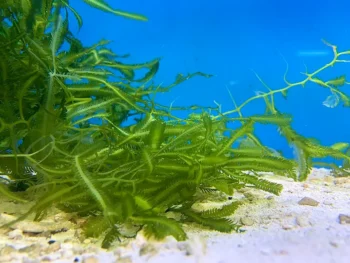
Despite what some confused plant databases might suggest, Caulerpa taxifolia isn’t a terrestrial plant you’d find growing in soil. It’s a bright green marine alga that naturally grows underwater in tropical oceans, including the Indian Ocean, Pacific Ocean, and Caribbean Sea. The plant gets its feathery, attractive appearance from fronds that look remarkably similar to small fern leaves or yew branches – which is probably where some of the confusion about it being a land plant comes from.
Why Is It Called Killer Alga?
This marine alga earned its menacing nickname through its incredible ability to take over marine ecosystems. When introduced to non-native waters, it can grow extremely rapidly and smother native marine plants and coral reefs. It’s like the aquatic equivalent of kudzu – beautiful to look at, but absolutely devastating to local ecosystems.
Geographic Distribution and Legal Status
In the United States, Caulerpa taxifolia has been found in California waters, where it has caused significant ecological concern. The species is taken so seriously that it’s been designated as:
- Prohibited in multiple states including New Hampshire and Wisconsin
- Listed as a noxious weed at the federal level
- Strictly regulated by marine and agricultural authorities
These prohibitions exist because even small fragments can establish new populations and cause massive environmental damage.
- Species observed
- No observations
Why You Definitely Don’t Want This Near Your Property
While killer alga might look attractive with its vibrant green, feathery appearance, it’s absolutely not something any responsible gardener or property owner should consider:
- It’s not a garden plant: This is a marine species that requires saltwater to survive
- Highly invasive: Even tiny fragments can establish new colonies
- Legally prohibited: Possessing or transporting it can result in serious legal consequences
- Environmentally destructive: It can devastate native marine ecosystems
If You Encounter Killer Alga
If you’re a boater, diver, or coastal resident and you suspect you’ve encountered this species in marine environments, don’t touch it! Instead:
- Take photos from a distance
- Note the exact location
- Report it immediately to your local marine authorities or state environmental agency
- Never attempt to remove it yourself
Better Alternatives for Your Garden
If you were somehow hoping to find a terrestrial plant with similar feathery, green appeal, consider these native alternatives instead:
- Native ferns appropriate for your region
- Native grasses with fine texture
- Native evergreen shrubs with needle-like foliage
The Bottom Line
Killer alga serves as a perfect reminder of why we need to be so careful about invasive species. While it might look attractive, this marine alga has no place in terrestrial gardens and poses serious environmental risks wherever it’s introduced. If you’re looking for interesting plants for your landscape, stick with native species that will support your local ecosystem rather than destroy it. Your garden – and the environment – will thank you for it!