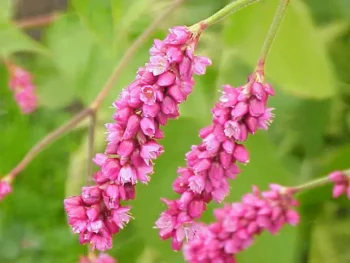
Kiss Me Over the Garden Gate: A Charming Annual with Old-World Appeal
With a name as romantic as kiss me over the garden gate, this towering annual has been charming gardeners for generations. Polygonum orientale, as it’s botanically known, brings drama and whimsy to gardens with its drooping pink flower spikes and impressive height. But is this old-fashioned favorite right for your garden? Let’s explore what makes this plant special and how to grow it successfully.
What Is Kiss Me Over the Garden Gate?
Kiss me over the garden gate is an annual forb – essentially a non-woody flowering plant that completes its entire life cycle in one growing season. This tall, graceful plant can reach impressive heights of 4-8 feet, making it a real showstopper in the garden. You might also find it listed under its botanical synonyms Persicaria orientalis or Polygonum spaethii in some references.
Originally hailing from Asia, this non-native species has made itself at home across much of North America. It’s established populations throughout the lower 48 states and parts of Canada, reproducing spontaneously without human assistance.
Where Does It Grow?
This adaptable annual has spread far and wide, now growing in an impressive range of locations including Alabama, Arkansas, California, Connecticut, Delaware, Florida, Georgia, Illinois, Indiana, Iowa, Kansas, Kentucky, Louisiana, Maine, Maryland, Massachusetts, Michigan, Minnesota, Mississippi, Missouri, Nebraska, New Hampshire, New Jersey, New York, North Carolina, Ohio, Oklahoma, Oregon, Pennsylvania, Rhode Island, South Carolina, Tennessee, Texas, Vermont, Virginia, Washington, West Virginia, Wisconsin, and several Canadian provinces including New Brunswick, Ontario, and Quebec.
- Species observed
- No observations
The Appeal of Kiss Me Over the Garden Gate
What makes gardeners fall for this plant? Its unique aesthetic charm lies in several key features:
- Dramatic height that creates instant vertical interest
- Drooping clusters of small pink flowers that dance in the breeze
- Heart-shaped leaves that add textural contrast
- Old-fashioned cottage garden appeal
- Self-seeding nature that creates naturalized colonies
Garden Design and Landscape Role
This towering annual excels as a background plant in mixed borders, where its height creates a natural backdrop for shorter perennials and annuals. It’s particularly at home in:
- Cottage gardens and informal landscapes
- Wildflower gardens and naturalized areas
- Annual cutting gardens
- Temporary screening applications
- Pond margins and rain gardens
Growing Conditions and Care
Kiss me over the garden gate is refreshingly easy to grow, thriving in USDA hardiness zones 3-10. Here’s what it needs to flourish:
Light Requirements: Full sun to partial shade, though it performs best with at least 6 hours of direct sunlight.
Soil Preferences: This adaptable plant tolerates various soil types but shows a preference for moist conditions. Its wetland status varies by region – it can handle both wetland and upland conditions depending on your location.
Water Needs: Consistent moisture is appreciated, making it an excellent choice for rain gardens or areas that stay naturally moist.
Planting and Care Tips
Growing kiss me over the garden gate successfully is straightforward:
- Direct seed in spring after the last frost date
- Seeds germinate readily in cool, moist soil
- Space plants 2-3 feet apart to accommodate their mature size
- Provide support for tall stems in windy locations
- Deadhead spent flowers to prevent excessive self-seeding
- Allow some flowers to go to seed if you want volunteers next year
Wildlife and Pollinator Benefits
The nectar-rich flowers of kiss me over the garden gate attract various pollinators, including bees and butterflies. The plant’s long blooming period provides a reliable food source throughout the growing season, making it a valuable addition to pollinator gardens.
Should You Grow It?
As a non-native species that readily self-seeds, kiss me over the garden gate sits in an interesting middle ground. While it’s not currently listed as invasive, its ability to naturalize means it can spread beyond intended garden boundaries. Consider these factors:
Reasons to grow it:
- Low-maintenance annual with dramatic impact
- Excellent pollinator plant
- Thrives in challenging moist conditions
- Historical cottage garden appeal
Considerations:
- Self-seeds prolifically – may appear where not wanted
- Non-native species in an ecosystem of native plants
- Can overwhelm smaller companion plants
Native Alternatives to Consider
If you love the idea of a tall, pink-flowered annual but prefer native options, consider these alternatives:
- Joe Pye weed (Eutrochium species) for similar height and pink flowers
- Wild bergamot (Monarda fistulosa) for pollinator appeal
- New England aster (Symphyotrichum novae-angliae) for late-season color
Kiss me over the garden gate remains a beloved choice for gardeners who appreciate its old-world charm and easy-growing nature. Whether you choose to grow this romantic annual or explore native alternatives, the key is creating a garden that brings you joy while supporting local ecosystems. With proper management and deadheading, this charming plant can add vertical drama and pollinator appeal to your garden without overwhelming your landscape.