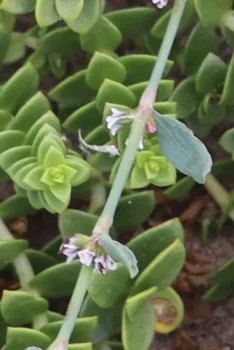
Knotweed (Polygonum oxyspermum): An Uncommon Perennial Worth Knowing
If you’ve stumbled across the name Polygonum oxyspermum while researching plants, you’ve discovered one of gardening’s more mysterious characters. This perennial knotweed is far from your typical garden center find, and there’s a good reason for that – it’s quite the botanical enigma!
What Exactly Is This Plant?
Polygonum oxyspermum is a perennial forb, which is just a fancy way of saying it’s a soft-stemmed, non-woody plant that comes back year after year. Think of it as the herbaceous cousin in the diverse knotweed family. Unlike its more aggressive relatives that gardeners often battle, this particular species keeps a much lower profile.
You might also encounter this plant listed under its scientific synonyms, including Polygonum graminifolium, though Polygonum oxyspermum remains the accepted name.
Where Does It Call Home?
Here’s where things get interesting – and a bit concerning from a native gardening perspective. This knotweed isn’t actually native to North America. It’s an introduced species that has established itself in the wild, currently documented in Nova Scotia, Canada. The plant has proven it can survive and reproduce without human intervention, which puts it in that gray area between welcomed garden guest and potential ecological concern.
- Species observed
- No observations
Should You Plant It in Your Garden?
This is where we need to have an honest conversation. While Polygonum oxyspermum isn’t currently listed as invasive or noxious, its status as a non-native species that readily naturalizes should give us pause. As responsible gardeners, especially those interested in supporting local ecosystems, there are better choices available.
The Mystery of Growing Conditions
Here’s the frustrating part for any gardener curious about this plant – there’s remarkably little information available about its specific growing requirements, appearance, or garden performance. This lack of horticultural documentation suggests it’s not commonly cultivated, which raises questions about its garden worthiness.
What we do know is limited:
- It’s a perennial that can establish itself in the wild
- As a forb, it lacks woody stems and likely dies back in winter
- It has proven adaptable enough to survive in Nova Scotia’s climate
Better Native Alternatives to Consider
Instead of experimenting with this botanical question mark, why not explore native alternatives that offer proven garden value and ecological benefits? Depending on your region and growing conditions, consider these native options:
- Native wildflowers that support local pollinators
- Indigenous perennial forbs suited to your local climate
- Regional native plants recommended by your local extension office
These alternatives will give you the satisfaction of growing something beautiful while supporting the web of life that depends on native plant communities.
The Bottom Line
Polygonum oxyspermum remains one of those plants that’s more interesting as a botanical curiosity than as a garden addition. Its non-native status, combined with the complete lack of available growing information, makes it a risky choice for the home gardener.
If you’re drawn to the idea of growing something unusual, channel that enthusiasm toward discovering the amazing native plants in your area that are just waiting to be appreciated. Your local ecosystem – and the wildlife that depends on it – will thank you for making that choice instead.