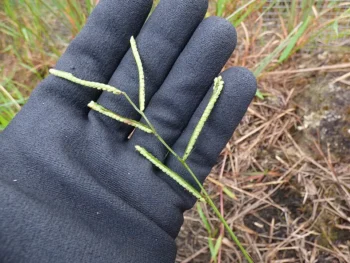
Kodomillet: A Grass You Should Think Twice About Planting
If you’ve stumbled across kodomillet (Paspalum scrobiculatum) in your research, you might be wondering whether this grass deserves a spot in your garden. While it has an interesting history as an ancient grain crop, there are some important reasons why most gardeners should steer clear of this particular species.
What is Kodomillet?
Kodomillet, scientifically known as Paspalum scrobiculatum, is a grass species that can grow as either an annual or perennial depending on conditions. You might occasionally see it referred to by its botanical synonym Paspalum orbiculare, though the current accepted name is P. scrobiculatum.
This graminoid (that’s botanist-speak for grass-like plant) belongs to the large family of grasses, sedges, and rushes that make up much of the world’s grasslands and prairies.
Where Does Kodomillet Grow?
Originally from tropical regions of Asia and Africa, kodomillet has spread far beyond its native range. In the United States, you can find established populations in Alabama, Georgia, Hawaii, Maryland, New Jersey, and Texas. It’s also present in several U.S. territories including Guam, Palau, and various minor outlying islands.
- Species observed
- No observations
The Problem with Kodomillet
Here’s where things get a bit concerning for gardeners: kodomillet is classified as a noxious weed in the United States. This isn’t just botanical name-calling – it means this plant has been officially recognized as problematic enough to warrant legal restrictions in some areas.
As a non-native species that reproduces spontaneously in the wild without human help, kodomillet has shown it can establish itself and persist in both the lower 48 states and Hawaii. Once it gets going, it tends to stick around, which can spell trouble for native plant communities.
What About Its Growing Habits?
Kodomillet is pretty adaptable when it comes to moisture levels. In different regions, it shows up with different wetland preferences:
- In the Atlantic and Gulf Coastal Plain: Usually found in wetlands but can tolerate drier sites
- In the Eastern Mountains and Piedmont: Also prefers wetlands but adapts to various moisture levels
- In Hawaii: Equally happy in wet or dry conditions
This flexibility is part of what makes it such a successful colonizer – and such a headache for land managers trying to control its spread.
Should You Plant Kodomillet?
The short answer? No, we’d recommend against it. Given its noxious weed status and tendency to escape cultivation and establish wild populations, kodomillet isn’t worth the risk to native ecosystems.
If you’re looking for native grass alternatives that can provide similar aesthetic appeal without the ecological concerns, consider exploring indigenous species like:
- Native Paspalum species that naturally occur in your region
- Other native bunch grasses suited to your local conditions
- Indigenous wetland grasses if you’re working with moist sites
The Bottom Line
While kodomillet might seem innocuous enough – just another grass, after all – its classification as a noxious weed and non-native status make it a poor choice for responsible gardening. There are plenty of beautiful native grasses that can fill similar ecological niches without the risk of becoming invasive problems.
When in doubt, always choose native plants that support local wildlife and won’t cause headaches for future generations of gardeners and land managers. Your local extension office or native plant society can help you identify the best indigenous grass species for your specific location and growing conditions.