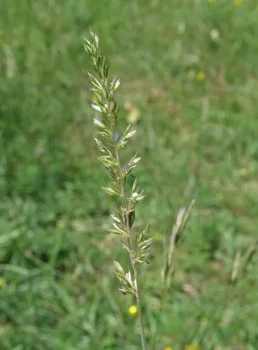
Koeleria grandis: The Mystery Grass Worth Knowing About
Ever stumbled across a plant name that sounds intriguing but leaves you scratching your head? Meet Koeleria grandis, a grass species that’s more enigmatic than your average lawn dweller. While this botanical beauty doesn’t have a widely recognized common name, it belongs to the fascinating world of native grasses that often fly under the gardener’s radar.
What Exactly Is Koeleria grandis?
Koeleria grandis is a member of the grass family (Poaceae), joining the ranks of ornamental and native grasses that can add texture and movement to landscapes. You might also see it referenced by its synonym, Koeleria polonica Domin, in some botanical literature. Like other grasses in the Koeleria genus, this species likely forms clumps or tufts rather than spreading aggressively.
The Geographic Mystery
Here’s where things get interesting – and a bit frustrating for curious gardeners. The native range and geographic distribution of Koeleria grandis isn’t well-documented in readily available sources. This lack of information could suggest it’s either quite rare, has limited distribution, or hasn’t been extensively studied in horticultural contexts.
Should You Plant It?
The honest answer? Proceed with caution and do your homework first. Here’s why:
- Limited availability: You’re unlikely to find this species at your local nursery
- Unknown growing requirements: Without clear guidance on care, success isn’t guaranteed
- Unclear native status: We don’t have definitive information about where it naturally occurs
- No established garden role: Its landscape value hasn’t been well-documented
A Better Approach for Grass Lovers
If you’re drawn to the idea of native grasses in your landscape, consider these well-documented alternatives that offer similar grass family benefits:
- Little bluestem (Schizachyrium scoparium) for prairie-style gardens
- Buffalo grass (Poaceae family) for drought-tolerant lawns
- Purple needlegrass for California gardens
- Switch grass (Panicum virgatum) for dramatic height and wildlife value
If You’re Determined to Find Koeleria grandis
Should you encounter this species through specialty native plant societies or botanical sources, here are some general grass-growing principles that might apply:
- Ensure you’re getting responsibly sourced, properly identified material
- Start with small test plantings to understand its behavior
- Provide well-draining soil, as most grasses prefer this
- Research its specific native habitat requirements if you can determine its origin
- Connect with local botanists or native plant experts who might have experience with this species
The Bottom Line
Koeleria grandis represents one of those botanical puzzles that reminds us how much we still don’t know about the plant kingdom. While its mystery might appeal to plant collectors and botanical enthusiasts, practical gardeners might find more satisfaction with well-documented native grass alternatives that offer proven landscape value and clear growing guidance.
Sometimes the most responsible approach is to admire a plant’s existence while choosing better-understood species for our gardens. After all, successful gardening often comes down to working with plants whose needs we can actually meet!