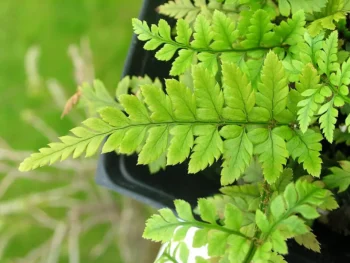
Korean Rockfern: A Delicate Asian Beauty for Shaded Spaces
Meet the Korean rockfern (Polystichum tsussimense), a charming little fern that brings an elegant touch to shaded garden corners. This petite perennial might not be a household name, but it’s quietly winning over gardeners who appreciate its refined appearance and manageable size.
What Exactly is Korean Rockfern?
Korean rockfern is a compact fern species originally from East Asia, including Korea, Japan, and China. Despite its exotic origins, this little beauty has found its way into American gardens, particularly in warmer regions like Florida and Louisiana. It’s what botanists call a waif – meaning it occasionally shows up in the wild here but doesn’t really establish permanent populations.
Don’t let the scientific classification fool you – while some databases might list this as a forb, it’s definitely a true fern with all the classic fern characteristics you’d expect.
- Species observed
- No observations
Why Gardeners Love (or Should Consider) This Fern
Korean rockfern brings several appealing qualities to the garden table:
- Compact size perfect for small spaces and container growing
- Glossy, dark green fronds that catch and reflect light beautifully
- Triangular-shaped leaves with attractive serrated edges
- Evergreen nature in mild climates
- Low-maintenance once established
Garden Design and Landscape Role
This fern shines as a sophisticated ground cover or accent plant in several garden styles. It’s particularly at home in rock gardens (hence the rock in its name), where it can nestle into crevices and create natural-looking displays. Asian-inspired gardens benefit from its authentic origins, while woodland and shade gardens appreciate its ability to thrive in low-light conditions.
Korean rockfern works beautifully as an understory plant beneath larger shrubs or trees, and its compact nature makes it ideal for borders, container gardens, or even as a houseplant in bright, indirect light.
Growing Conditions and Care
Like most ferns, Korean rockfern appreciates the shadier side of life. Here’s what it needs to thrive:
- Light: Partial to full shade (avoid direct sunlight)
- Soil: Moist but well-draining, slightly acidic to neutral
- Water: Consistent moisture without waterlogging
- Climate: USDA hardiness zones 6-9
- Protection: Shelter from strong winds and harsh weather
Planting and Care Tips
Plant Korean rockfern in spring when the soil is workable and temperatures are mild. Choose a protected spot that gets morning light but afternoon shade. Dig a hole slightly larger than the root ball and amend heavy clay soils with compost for better drainage.
Once established, this fern is relatively low-maintenance. Keep the soil consistently moist but not soggy, and remove any damaged fronds as needed. Fertilization is rarely necessary – a light application of balanced fertilizer in spring is more than enough.
Wildlife and Ecosystem Considerations
As a fern, Korean rockfern doesn’t produce flowers, so it won’t directly attract pollinators like bees and butterflies. However, it can provide shelter and habitat for small creatures in your garden ecosystem.
Native Alternatives to Consider
While Korean rockfern isn’t invasive and can be a lovely garden addition, you might also consider these native fern alternatives that provide similar aesthetic appeal while supporting local ecosystems:
- Christmas fern (Polystichum acrostichoides) – evergreen and extremely hardy
- Southern shield fern (Thelypteris kunthii) – great for southeastern gardens
- Resurrection fern (Pleopeltis polypodioides) – perfect for humid southern climates
The Bottom Line
Korean rockfern offers gardeners an attractive, manageable fern option for shaded spaces. While it’s not native to North America, it’s not considered invasive either, making it a neutral choice for those who appreciate its unique charm. Whether you choose this Asian beauty or opt for native alternatives, adding ferns to your shade garden brings texture, elegance, and a touch of prehistoric wonder to your landscape.